
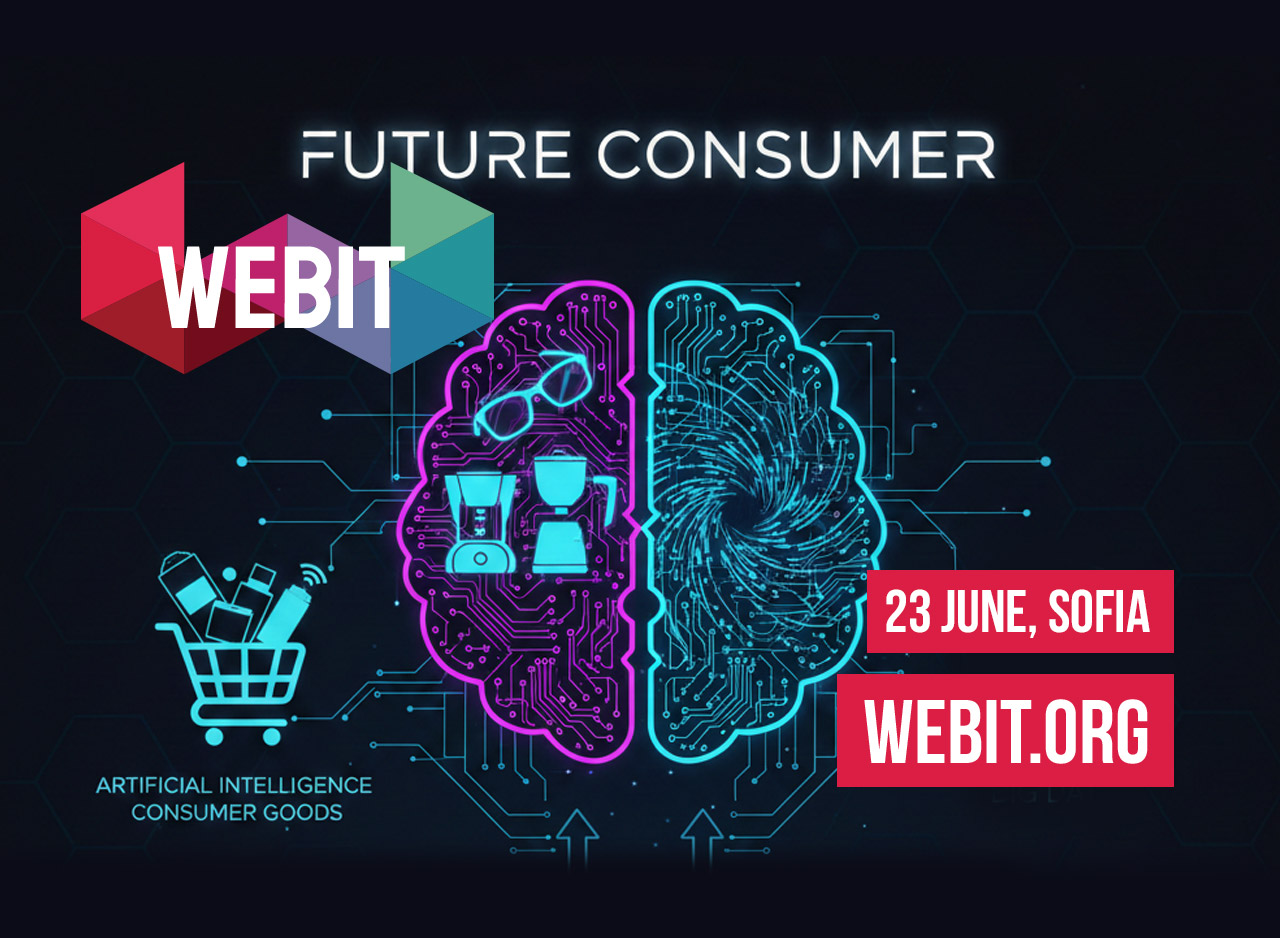
The fast-moving consumer goods (FMCG) sector is under immense pressure: razor-thin margins, shifting consumer behaviours, rising costs, and greater demand for personalisation. In this climate, leading consumer brands are turning to artificial intelligence (AI) not as a futuristic add-on, but as a strategic imperative — reshaping everything from content creation and performance marketing to trade execution, distribution logistics, and consumer insights.
AI Content at Scale: Creative Efficiencies and Personalisation
AI has fundamentally altered how brands produce content — enabling high-volume, personalized creative at a fraction of traditional time and cost. Instead of labour-intensive manual creation, generative AI tools (from LLMs like GPT models to multimodal video generators) help FMCG marketers generate text, images and even video content tailored to specific audiences, campaigns, and platforms. This isn’t theoretical — reports show marketers using AI to generate hundreds of headlines, CTAs, ad variants, and social posts in minutes.
Beyond text, brands like Mondelez (maker of Oreo and Milka) are investing tens of millions into generative video tools to cut TV and digital ad production costs by up to 50%, targeting scale without breaking budgets.
Why it matters
- Rapid content creation across channels
- Personalised messaging tailored to segments
- Lower production costs and faster iteration
Growth & Performance Marketing: Smarter, Data-Driven Decisions
AI isn’t just about faster content — it’s about smarter marketing decisions. Algorithms today can analyse mountains of consumer data in real-time to:
- Predict which messaging resonates best with which audience
- Automatically optimise ad spend and bidding strategies
- Personalise email, programmatic, search and social campaigns
FMCG brands increasingly embed AI engines into their performance marketing stacks, enabling continuous testing and optimisation across channels. AI can recommend which creative elements perform best in Facebook ads, or whether a certain promotional message is statistically more effective for Gen Z shoppers — reducing guesswork and elevating ROI.
State-of-the-art platforms (like the emerging agentic AI marketing suites) now unify creative generation with optimization and insights — blurring the lines between creative and analytics.
Trade Marketing & Distribution: AI for Real-World Execution
AI’s impact isn’t limited to digital channels — it’s transforming trade marketing and distribution, two areas traditionally grounded in manual workflows and gut-based planning.
Trade Execution Innovation
AI tools analyze in-store data, planograms, and promotional performance to suggest:
- The best shelf placements
- Optimal promotional pricing
- Real-time alerts if inventory or compliance slips
These systems create automatic recommendations that help brand teams and distributors execute more effectively on the ground.
Intelligent Distribution and Logistics
Predictive AI helps forecast demand with high accuracy by ingesting sales history, promotions, weather patterns, and even regional events. These forecasts reduce stockouts and overstocks, improve route planning, and streamline delivery schedules — boosting both customer satisfaction and cost efficiency.
Consumer Insights: Understanding Behaviour with Precision
Perhaps the most powerful application of AI is in consumer insights, where brands move from guessing trends to predicting them.
AI analyses:
- Consumer sentiment (from reviews, social channels, surveys)
- Purchase paths across digital and physical channels
- Behavioural patterns indicating shifts in preference
This isn’t just academic; AI-driven insights help brands refine product development, optimize category positioning, and forecast emerging demand. Tools exist today that can even measure how often an AI assistant recommends your brand versus competitors in natural language search responses, giving entirely new visibility into brand health in the AI era.
Challenges and Best Practices
While the promise of AI is immense, leading brands also recognise implementation pitfalls:
- Data quality and integration are critical — poor data yields poor predictions.
- Human oversight remains essential to avoid algorithmic bias and maintain brand authenticity.
- Strategic alignment between marketing, operations, and analytics teams accelerates impact.
Brands that adopt iterative AI strategies — starting with pilot projects, defining clear KPIs, and scaling based on results — tend to outperform those that rush broad implementation without groundwork.
Looking Ahead: A Competitive Necessity
AI is no longer optional for FMCG brands hoping to stay relevant. Whether it’s optimizing campaigns, creating personalised creative at scale, anticipating consumer shifts, or supercharging supply chains, AI is deeply embedded across modern marketing and operations.
In the words of industry analysts, the future belongs to those who harness AI not just as a tool, but as an integrated business partner — automating routine tasks while amplifying human creativity and strategic thinking.
The transformation of FMCG and consumer brands through AI is not a future concept — it is happening now. The leaders who will win are those who understand how to integrate AI across content, performance marketing, trade execution, distribution, and consumer intelligence as a unified growth engine.
If you want to explore how global brands are scaling AI in real business environments — and learn directly from executives, operators, investors, and innovators driving this shift — join us at Webit 2026 Sofia Edition.
On 23 June 2026, Webit brings together 3,500+ senior leaders for a practical AI Business Dialogue focused on execution, growth, governance, and industry transformation.
Discover how AI is reshaping FMCG, retail, and consumer ecosystems — not in theory, but in action.
Learn more and secure your place:
https://www.webit.org/2026/sofia/
The future of consumer brands will be AI-powered. The question is — will you be ahead of it?