
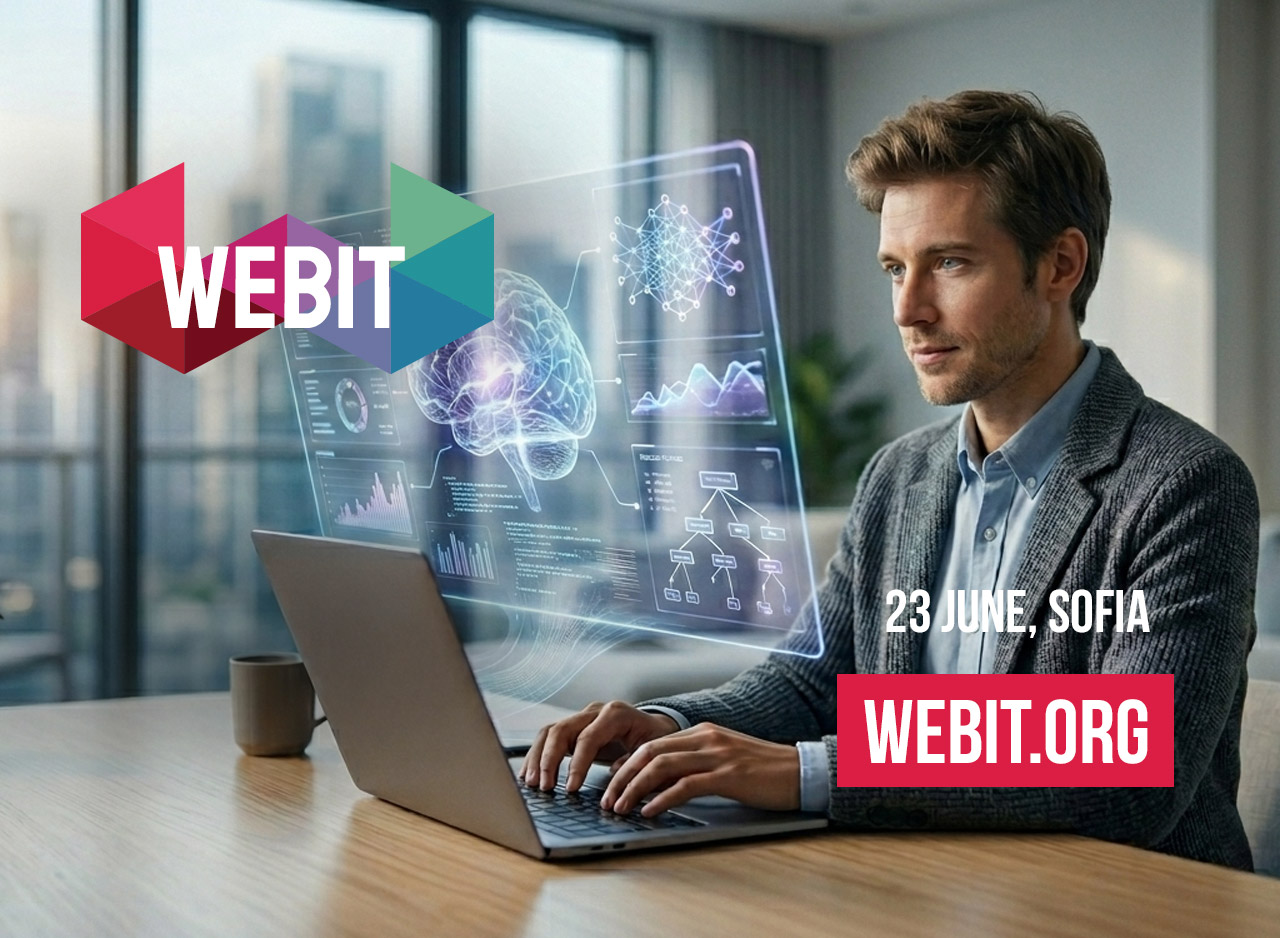
The future of work is no longer a question of whether machines will replace humans—but how humans and AI will work together to unlock new levels of performance, creativity, and impact. The concept of an augmented workforce represents a fundamental shift: AI is not a replacement, but a powerful extension of human capability.
Organizations that embrace this shift are not just adopting new tools—they are redefining how work gets done.
From Automation to Augmentation
In the early stages of digital transformation, automation focused on replacing repetitive tasks. Today, AI goes far beyond that. It augments human intelligence—helping employees make better decisions, process complex data, and focus on higher-value work.
Instead of removing humans from the equation, AI enhances their abilities. It acts as a co-pilot, not an operator. This shift allows organizations to combine the speed and scale of machines with the creativity, empathy, and critical thinking of people.
Redefining Roles and Responsibilities
As AI becomes embedded in everyday workflows, job roles are evolving. Employees are no longer just executors of tasks—they become decision-makers, interpreters, and orchestrators of AI-driven insights.
New roles are emerging across industries: AI trainers, data interpreters, AI ethicists, and human-AI interaction designers. At the same time, traditional roles are being redefined to include collaboration with intelligent systems.
This transformation requires a mindset shift—from “doing the work” to “working with intelligence.”
Human Skills Become More Valuable Than Ever
Paradoxically, as AI grows more powerful, uniquely human skills are becoming even more important. Creativity, emotional intelligence, adaptability, and critical thinking are the traits that differentiate humans from machines.
Organizations that invest in developing these skills will have a significant competitive advantage. The augmented workforce is not just about technology—it is about empowering people to thrive in an AI-enabled environment.
The Role of Leadership in the Augmented Era
Leadership plays a critical role in enabling successful human-AI collaboration. Leaders must create environments where experimentation is encouraged, learning is continuous, and AI is trusted as a strategic partner.
This also means addressing concerns around job displacement, building transparency, and ensuring that employees feel supported—not replaced—by technology.
The most successful leaders will be those who can inspire confidence in change and guide their organizations through transformation with clarity and purpose.
Designing for Collaboration, Not Replacement
To fully realize the benefits of an augmented workforce, organizations must intentionally design workflows that integrate AI into everyday processes. This includes investing in the right tools, building scalable data infrastructure, and fostering seamless human-AI interaction.
AI should be embedded into systems in a way that feels natural and intuitive—supporting employees rather than overwhelming them.
A New Era of Work
The augmented workforce represents more than a technological evolution—it signals a new era of work. One where humans and machines collaborate to solve complex problems, drive innovation, and create value at a scale previously unimaginable.
The organizations that succeed will be those that embrace this partnership and invest in both technology and people equally.
The conversation around how humans and AI collaborate to shape the future of work will be at the core of discussions at the upcoming Webit 2026 Sofia Edition, taking place on June 23, 2026, in Sofia.
Join the Future of Work Dialogue at Webit 2026
As AI continues to transform the workplace, organizations are rethinking how people and intelligent systems collaborate to drive productivity, innovation, and growth.
Join global leaders, innovators, and decision-makers at Webit 2026 to explore how to build the augmented workforce—where human potential is amplified by artificial intelligence.
👉 Be part of the conversation and help shape the future of work:
https://www.webit.org/2026/sofia/