
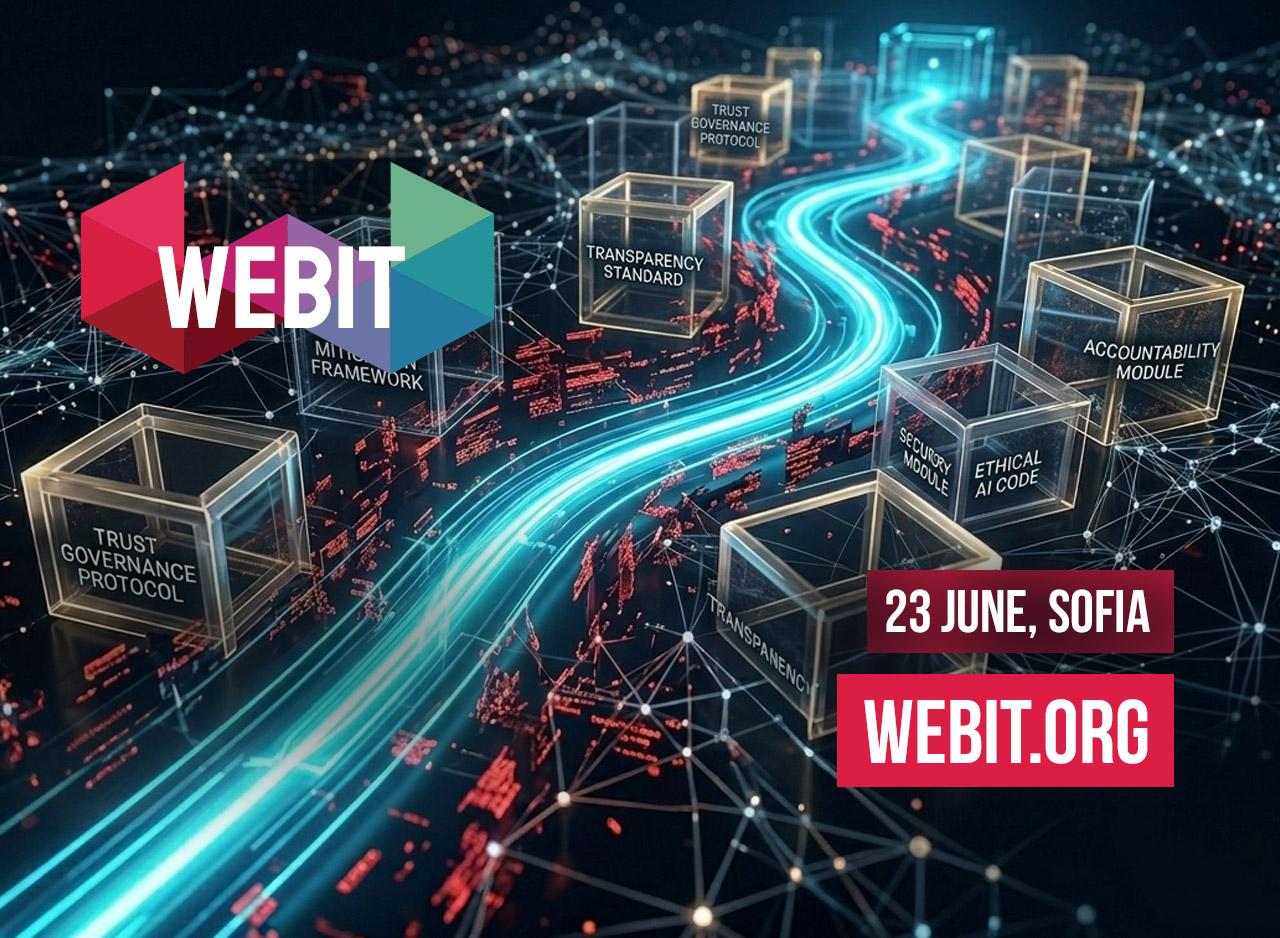
As artificial intelligence continues to evolve at unprecedented speed, it is simultaneously unlocking immense opportunities—and introducing new layers of risk. From deepfakes and AI-driven fraud to algorithmic bias and data misuse, the rise of AI is challenging traditional frameworks of trust, security, and regulation.
The New Face of Fraud in the AI Era
AI is transforming the scale and sophistication of fraud. Cybercriminals are leveraging generative AI to create highly convincing phishing attacks, synthetic identities, and deepfake content that can deceive even the most vigilant users. Voice cloning and realistic video manipulation are no longer science fiction—they are active tools in the modern fraud ecosystem.
Financial institutions, enterprises, and individuals are all at risk as AI-powered fraud becomes faster, more personalized, and harder to detect. Traditional security measures are no longer sufficient on their own, creating an urgent need for adaptive, AI-driven defense mechanisms.
Risk in an AI-Driven World
With great power comes complex risk. AI systems can inadvertently reinforce biases, make opaque decisions, or be manipulated through adversarial attacks. In high-stakes industries such as finance, healthcare, and infrastructure, these risks can have far-reaching consequences.
Organizations must rethink risk management strategies, incorporating continuous monitoring, explainability, and robust validation frameworks. AI risk is no longer static—it evolves alongside the systems it powers.
Trust as the Cornerstone of AI Adoption
Trust is the foundation upon which successful AI adoption is built. Without it, even the most advanced technologies will struggle to achieve meaningful impact. Transparency, accountability, and fairness must be embedded into AI systems from the ground up.
Building trust also requires collaboration between technology leaders, regulators, and society at large. Users need to understand how AI systems make decisions, and organizations must be accountable for the outcomes of their AI deployments.
Regulation: Enabling Innovation While Protecting Society
Regulation plays a critical role in shaping the future of AI. Striking the right balance between fostering innovation and ensuring safety is one of the greatest challenges of our time.
Emerging regulatory frameworks are focusing on areas such as data protection, algorithmic transparency, and ethical AI usage. However, regulation alone is not enough. It must be complemented by industry standards, best practices, and a shared commitment to responsible innovation.
In an era where AI can both empower and disrupt, the question is not whether we will trust AI—but how we will earn that trust, manage its risks, and shape its impact responsibly.
These critical questions around trust, risk, and regulation will be at the heart of discussions at the upcoming Webit 2026 Sofia Edition, taking place on June 23, 2026, in Sofia.
Join the Dialogue on Trust, Risk & Regulation at Webit 2026
As AI reshapes industries and redefines the boundaries of possibility, the need for trust and strong governance has never been greater. From combating AI-driven fraud to building resilient, transparent systems, the future will be defined by how we manage risk and regulation in an AI-powered world.
Join global leaders, innovators, policymakers, and security experts at Webit 2026 to explore how to safeguard trust in the age of AI and ensure that innovation remains aligned with human values.
This is not just a technological challenge—it is a societal imperative.
👉 Be part of the conversation and help shape the future:
https://www.webit.org/2026/sofia/