
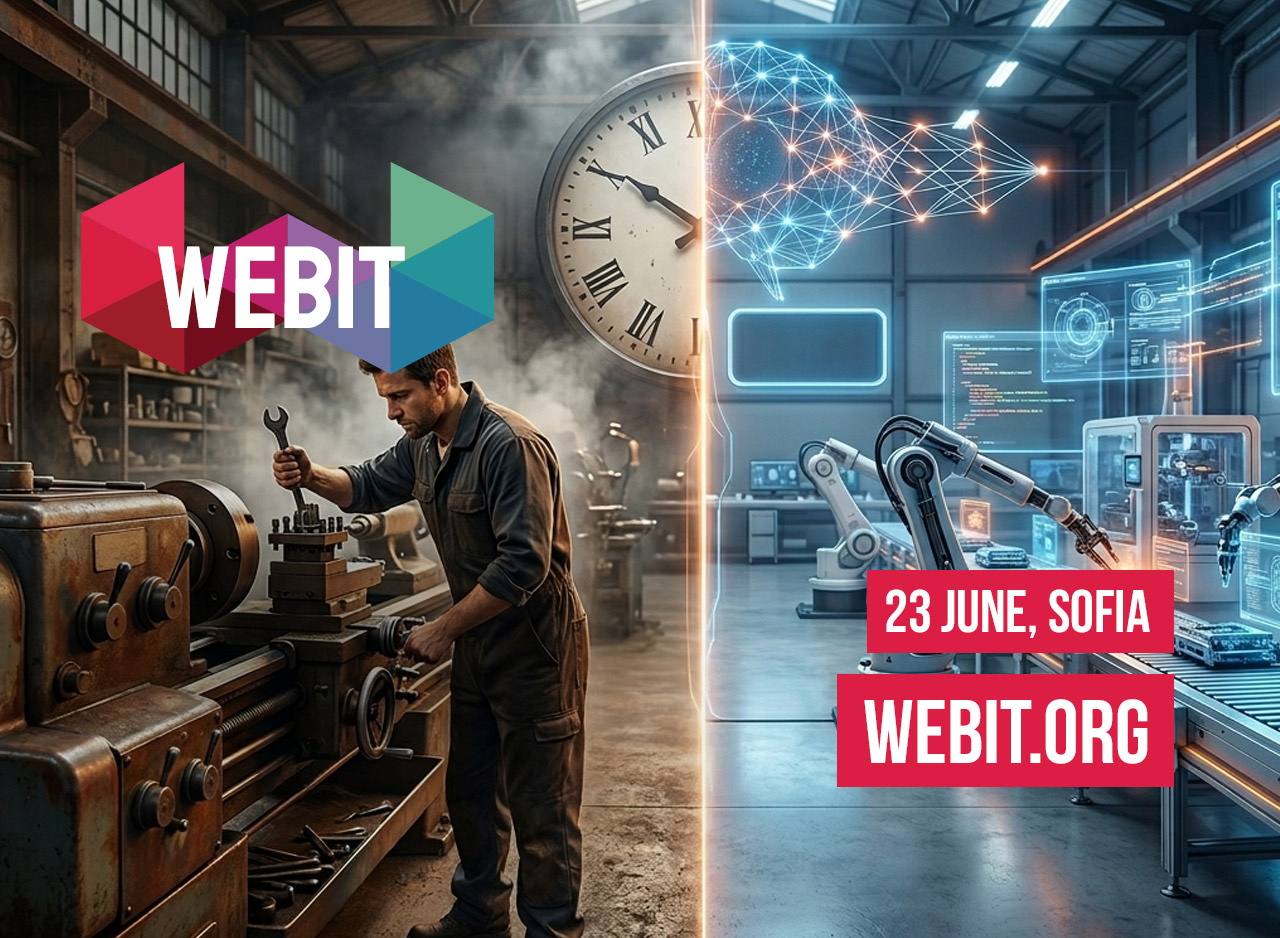
Artificial intelligence (AI) is rapidly transforming industrial automation, turning traditional factories into intelligent, adaptive and highly efficient production ecosystems. What was once driven by fixed machines and manual oversight is now being redefined by data, machine learning and autonomous systems.
From predictive maintenance to fully autonomous production lines, AI is becoming the backbone of Industry 4.0—reshaping how goods are designed, manufactured and delivered across global supply chains.
Transforming Manufacturing with Intelligent Automation
AI-powered systems are significantly increasing the speed, precision and flexibility of industrial operations. By analyzing real-time sensor data from machines and production lines, AI can optimize workflows, detect anomalies and automatically adjust processes to improve efficiency.
This leads to fewer errors, reduced downtime and higher overall productivity—while enabling factories to respond dynamically to changes in demand.
Predictive Maintenance and Reduced Downtime
One of the most impactful applications of AI in industrial environments is predictive maintenance. Instead of reacting to machine failures, AI models analyze equipment behavior and predict potential breakdowns before they happen.
This allows companies to schedule maintenance proactively, avoid costly disruptions and extend the lifespan of critical machinery. The result is a more reliable and cost-efficient production process.
Smarter Supply Chains and Operations
AI is also reshaping industrial supply chains by introducing real-time forecasting and intelligent logistics optimization. Machine learning models can predict demand fluctuations, optimize inventory levels and improve delivery routes.
This creates more resilient and agile supply networks capable of adapting quickly to global market changes and disruptions.
Enabling Fully Autonomous Production
The next frontier of industrial automation is the fully autonomous factory. AI-powered robotics, computer vision systems and digital twins are enabling production environments that can operate with minimal human intervention.
These systems continuously learn, self-optimize and collaborate with other machines, creating a highly synchronized industrial ecosystem.
Human + AI Collaboration in Industry
Despite increasing automation, human expertise remains essential. The future of industrial work lies in collaboration between humans and AI systems, where workers focus on decision-making, innovation and oversight, while AI handles repetitive and data-intensive tasks.
Upskilling and workforce transformation are therefore key priorities for organizations adopting AI-driven automation.
Building Trust and Responsible Industrial AI
As AI becomes deeply integrated into industrial systems, questions around safety, transparency and cybersecurity become increasingly important. Companies must ensure robust governance, secure data infrastructure and ethical deployment of AI technologies.
Trust is essential for scaling AI across critical industrial environments.
AI at the Core of Industrial Transformation at Webit 2026
The role of AI in industrial automation will be one of the key topics discussed at the upcoming Webit 2026 Sofia Edition, taking place on June 23, 2026 in Sofia.
Join global leaders exploring how AI is transforming manufacturing, supply chains, robotics and industrial ecosystems—from smart factories to fully autonomous production systems.
Webit gathers thousands of executives, innovators, investors and policymakers to discuss real-world AI transformation across industries including manufacturing, healthcare, finance, mobility and enterprise technology.
👉 Learn more and secure your place:
https://www.webit.org/2026/sofia/