
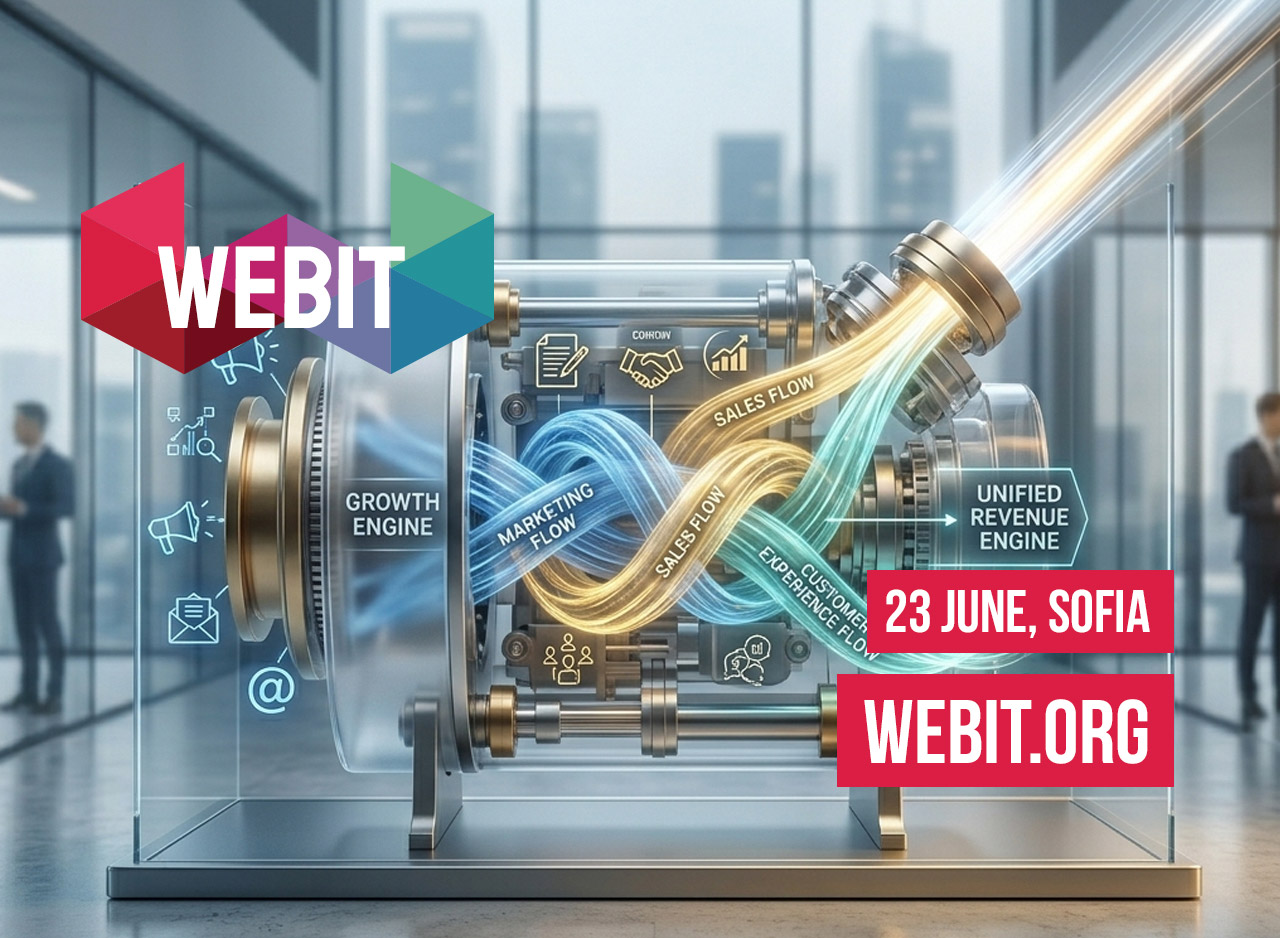
As Artificial Intelligence becomes embedded across commercial functions, revenue systems are being redesigned end-to-end. Marketing, sales, and customer experience are no longer separate silos—they are converging into a single, AI-driven growth engine that continuously learns, adapts, and optimizes performance.
1. AI-Driven Lead Generation
AI is transforming how companies identify and qualify potential customers. Instead of broad targeting, systems now analyze behavioral, demographic, and intent data in real time to prioritize high-value leads.
- Predictive lead scoring replaces manual qualification
- AI identifies buying intent signals earlier in the funnel
- Acquisition becomes more precise, reducing wasted spend
This shift is significantly improving conversion efficiency while lowering acquisition costs.
2. Hyper-Personalization at Scale
Modern revenue systems are increasingly built on personalization engines powered by AI.
- Dynamic content tailored to individual users
- Personalized pricing and offers based on behavior
- Real-time product recommendations across channels
Companies like Microsoft and OpenAI are enabling ecosystems where every customer interaction can be context-aware and adaptive.
The result is a shift from segmentation to true 1:1 customer experiences at scale.
3. AI-Augmented Sales Processes
Sales teams are evolving from manual pipeline management to AI-assisted decision-making.
- CRM systems enriched with predictive insights
- Automated follow-ups and outreach sequences
- AI copilots assisting with deal prioritization and messaging
This does not replace sales teams—it amplifies their effectiveness by removing low-value tasks and improving timing and relevance.
4. Customer Retention as a Predictive System
Retention is becoming increasingly proactive rather than reactive.
- AI models predict churn before it happens
- Behavioral signals trigger automated interventions
- Customer success teams act on real-time insights
Instead of focusing only on acquisition, companies now optimize for lifetime value expansion through continuous engagement.
5. Unified Revenue Intelligence
The biggest transformation is structural: marketing, sales, and customer success are merging into a single AI-powered revenue system.
- Shared data models across the entire funnel
- Continuous feedback loops between acquisition and retention
- Real-time optimization of the entire customer journey
This creates a self-improving system where every interaction strengthens the next.
Conclusion
AI is fundamentally changing how revenue is generated and optimized. Marketing, sales, and customer experience are no longer isolated functions—they are becoming an integrated, intelligent system designed to continuously maximize growth, efficiency, and customer value.
These questions around Revenue Systems in the Age of AI are central to the global AI dialogue at Webit 2026 Sofia Edition, taking place on June 23, 2026, in Sofia.
With more than 3,500 leaders from technology, business, and investment communities, Webit explores how AI is reshaping not just industries — but entire economic structures.
👉 Learn more: https://www.webit.org/2026/sofia/