
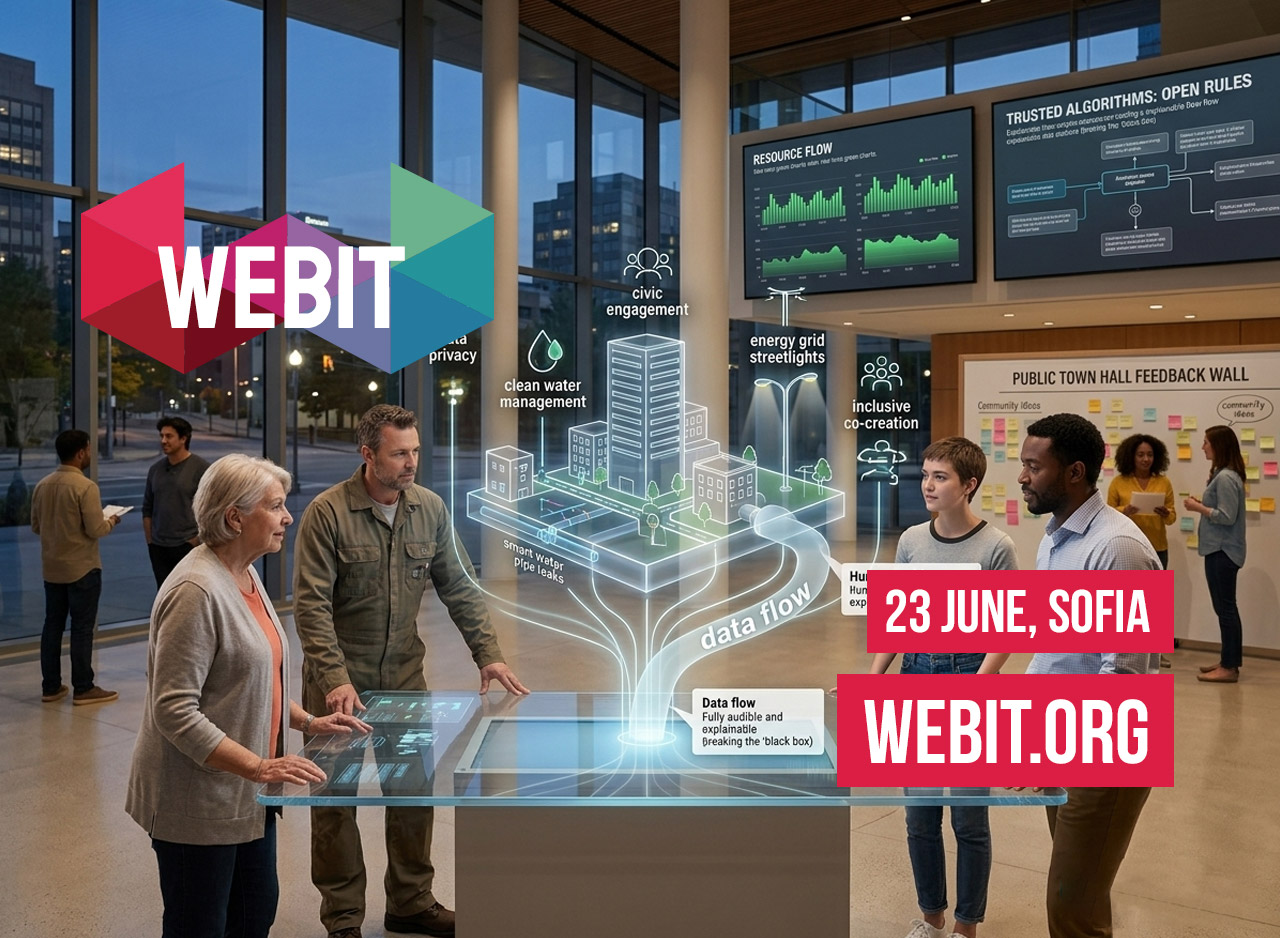
Building the smartest energy grids and the fastest online government portals is completely pointless if citizens refuse to engage with them. In the rush to adopt AI and resource management tools to manage public life, municipalities are realizing that their biggest hurdle isn’t technical—it’s deeply human. Smart cities are prioritizing open communication to build digital ecosystems rooted entirely in trust.
Intelligent Resource Management Smart cities protect vital resources by using intelligent grids and underground sensors to understand their own daily rhythms. Streetlights dim automatically when roads are completely empty to save energy, and smart water systems instantly flag underground pipe leaks, preventing millions of gallons of clean water from being wasted.
Breaking the Black Box For a long time, technology operated in the dark, which is unacceptable when managing public budgets or civic assets. True digital government requires radical transparency. Citizens must know exactly how their data is handled and understand the exact rules an AI system follows when making civic recommendations that affect their daily lives.
Building With the Public A smart city fails the moment it leaves its most vulnerable populations behind. Forward-thinking governments are actively co-creating digital services with their residents through town halls and open feedback loops, ensuring new technology actually solves real human problems rather than just serving as an expensive gimmick.
These questions around AI and Public Trust are central to the global AI dialogue at Webit 2026 Sofia Edition, taking place on June 23, 2026, in Sofia. With more than 3,500 leaders from technology, business, and investment communities, Webit explores how AI is reshaping not just industries – but entire economic structures.
Learn more: https://www.webit.org/2026/sofia/