
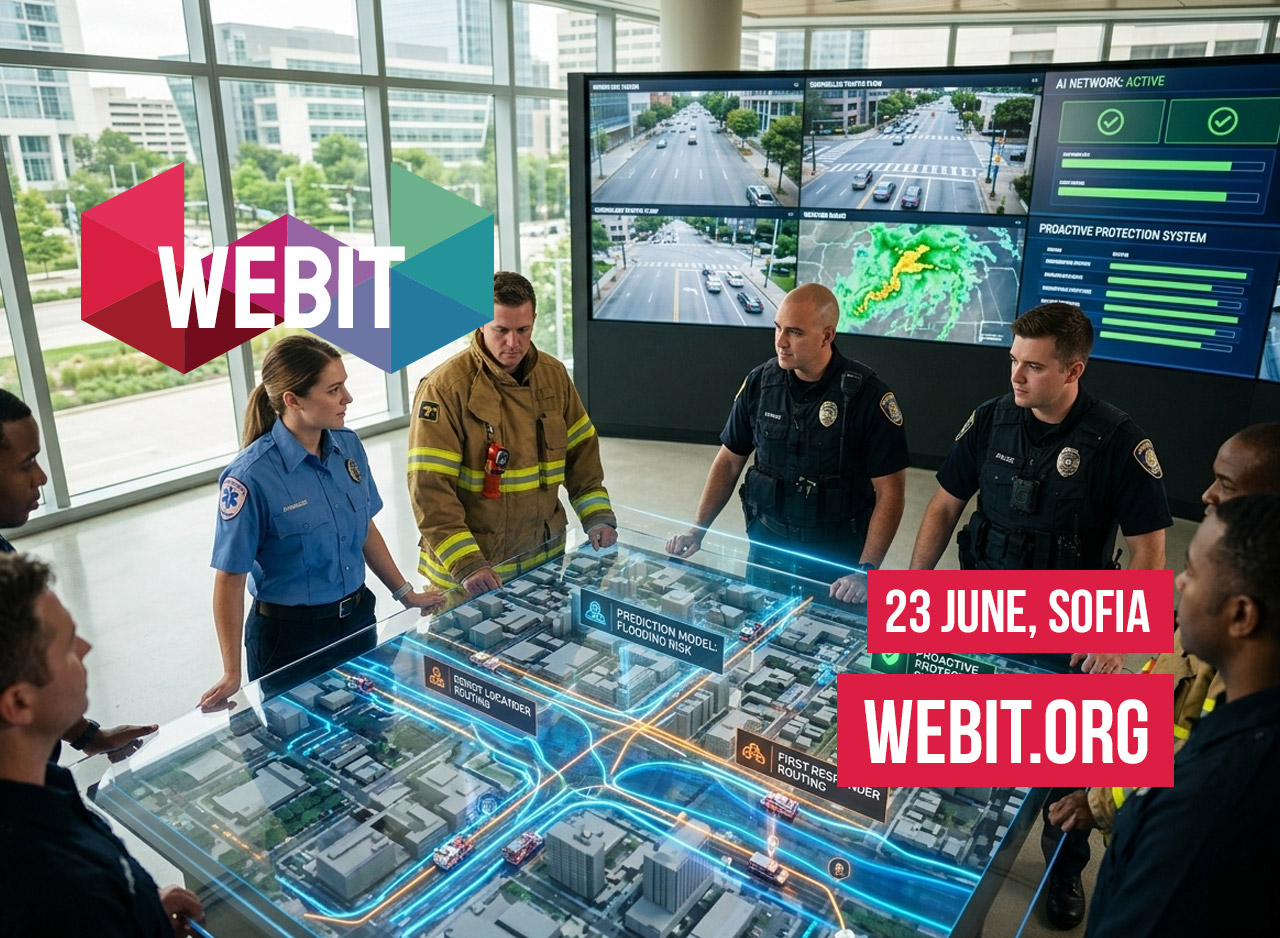
The traditional approach to public safety—waiting for a crisis to happen and then scrambling to respond—is rapidly becoming obsolete. Today, emergency services are using AI and connected sensors to protect neighborhoods and save lives with unprecedented speed. Technology is transforming public safety into a highly coordinated, proactive network.
Predicting the Unpredictable The biggest evolution in safety is spotting a hazard before it escalates into an emergency. AI models now analyze real-time weather patterns, soil moisture, and river levels to predict severe urban flooding days in advance. This allows local authorities to safely evacuate vulnerable areas and protect critical infrastructure long before the water arrives.
The New 911 Emergency Response When an accident does occur, smart systems fundamentally change response times. If a connected network detects a severe highway crash or utility failure, it can automatically alert the closest first responders before anyone even dials for help, routing ambulances through the quickest paths and temporarily altering traffic lights to clear the way.
Empowering Human Decision-Makers The ultimate goal of integrating tech into public safety isn’t to replace human judgment or build an intimidating surveillance state. It is to give our local heroes—paramedics, firefighters, and police officers—the most accurate information at exactly the right time, ensuring public security remains built entirely on human empowerment.
These questions around AI in Public Safety are central to the global AI dialogue at Webit 2026 Sofia Edition, taking place on June 23, 2026, in Sofia. With more than 3,500 leaders from technology, business, and investment communities, Webit explores how AI is reshaping not just industries – but entire economic structures.
Learn more: https://www.webit.org/2026/sofia/