
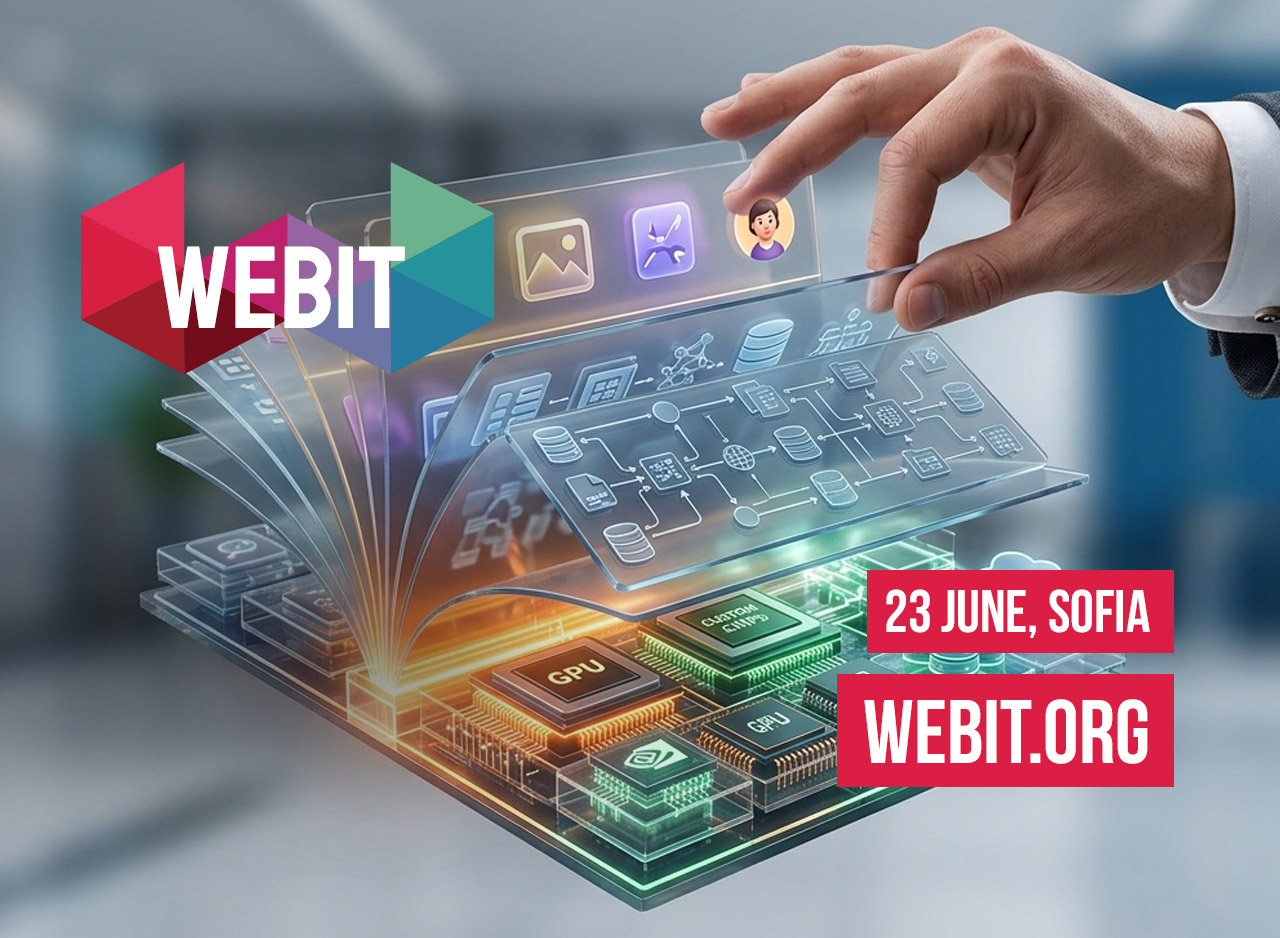
Artificial intelligence is entering a new phase. The early excitement around generative AI has shifted from rapid experimentation and hype-driven investment to a more mature and strategic focus: building the infrastructure that will power the next decade of AI-driven transformation.
We are now witnessing the emergence of a new AI investment cycle — one that is less about demos and prototypes, and more about scalable systems, compute capacity, data infrastructure, and long-term enterprise adoption.
From Hype to Reality: The End of the “Experimentation Era”
In the first wave of modern AI adoption, companies rushed to explore use cases. Investments were often driven by fear of missing out rather than clear business value.
This led to:
- rapid prototyping of AI tools
- widespread pilot projects
- fragmented adoption across departments
- high expectations, but inconsistent ROI
While this phase accelerated awareness and capability, it also revealed a key limitation: without strong infrastructure, AI cannot scale sustainably.
The Shift Toward AI Infrastructure
The new investment cycle is defined by infrastructure-first thinking. Instead of asking “What can we build with AI?”, companies are now asking:
“What foundations do we need to make AI reliable, scalable, and cost-efficient?”
This includes investment in:
1. Compute and Hardware
The demand for GPUs, specialized chips, and high-performance computing clusters is growing rapidly. AI is becoming compute-intensive at an unprecedented scale.
2. Data Infrastructure
High-quality, well-governed, and real-time data pipelines are now a core asset. Without data readiness, AI systems cannot perform reliably.
3. Model Operations (MLOps & LLMOps)
Organizations are building structured environments for deploying, monitoring, and updating AI models in production.
4. Cloud and Hybrid Architectures
Scalable cloud infrastructure combined with secure on-premise systems is becoming the standard for enterprise AI deployment.
The Rise of Enterprise-Grade AI
The next wave of investment is no longer dominated by startups experimenting with AI features. Instead, large enterprises are taking the lead by embedding AI into core operations:
- automation of business processes
- AI-driven decision support systems
- predictive analytics at scale
- intelligent customer experience platforms
AI is becoming less of a product feature and more of a foundational layer of enterprise architecture.
Investment Is Shifting Down the Stack
One of the most important signals of this new cycle is where capital is flowing.
Instead of focusing only on applications, investors are increasingly backing:
- infrastructure providers
- cloud and AI platform companies
- data management solutions
- chip manufacturers and compute platforms
- AI security and governance tools
In other words, value is moving down the stack — closer to the systems that make AI possible.
Efficiency Over Experimentation
Another defining trend is the shift from growth-at-all-costs to efficiency-driven AI adoption.
Companies are now prioritizing:
- cost per inference optimization
- model efficiency and compression
- energy-efficient computing
- ROI-driven AI deployment strategies
AI is no longer just about capability — it is about sustainable performance at scale.
The New Competitive Advantage: Infrastructure Maturity
In this new cycle, competitive advantage will not come from simply using AI — but from how well organizations can operationalize it.
The winners will be those who can:
- scale AI across the enterprise
- integrate it into core systems
- ensure reliability and governance
- optimize cost and performance over time
AI maturity is becoming infrastructure maturity.
Connecting Strategy and Execution
As this transformation accelerates, global conversations are increasingly focusing on how businesses can move from experimentation to execution.
These themes will be central at Webit 2026 Sofia Edition, taking place on June 23, 2026, in Sofia, where over 3,500 leaders from business, technology, and investment ecosystems will explore the real-world deployment of AI at scale.
From infrastructure and compute to governance and enterprise adoption, the focus is shifting from what AI can do to what it can sustainably deliver.
👉 Learn more: https://www.webit.org/2026/sofia/
Conclusion
The AI investment landscape is evolving rapidly. The hype phase is fading, and a more grounded, infrastructure-driven cycle is emerging.
This is no longer about isolated innovation — it is about building the backbone of an AI-powered economy.
The question is no longer “How do we use AI?”
It is “Are we building the systems that will support it long-term?”