
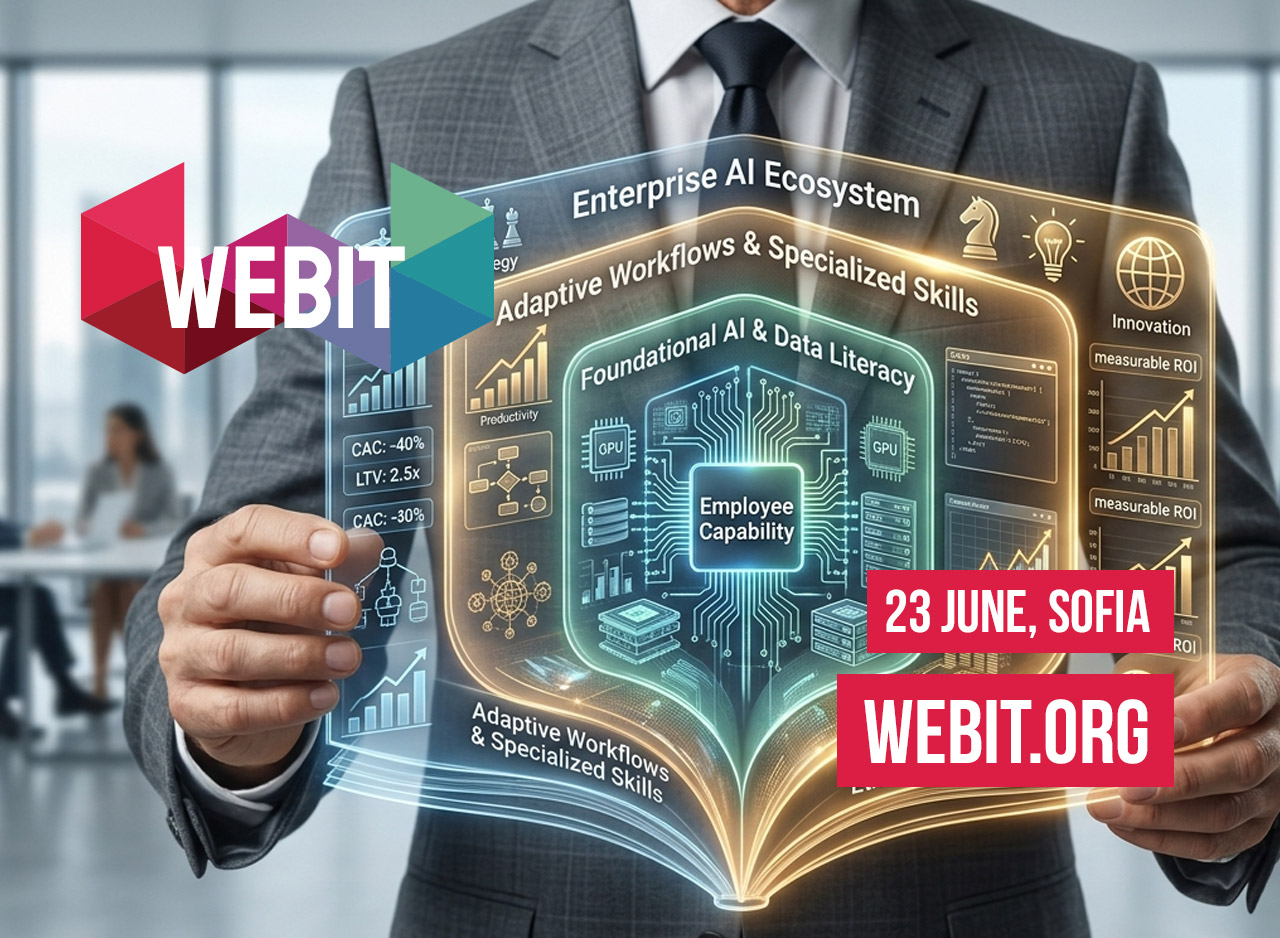
The concept of a productivity premium—doing more with less—has become central to the conversation around Artificial Intelligence. As AI adoption accelerates across industries, businesses are beginning to see measurable gains in efficiency, output, and speed. But the key question remains: is this a sustainable shift in productivity, or a temporary bubble driven by hype?
Where the Gains Are Real
In many sectors, AI is already delivering tangible productivity improvements. Routine and repetitive tasks are increasingly automated, allowing employees to focus on higher-value work. Software development, customer support, marketing, and operations are all seeing faster execution and reduced costs.
Smaller teams are now capable of producing results that once required significantly larger organizations. This is particularly visible in startups, where lean teams leverage AI tools to scale quickly without proportional increases in headcount.
The Uneven Distribution of Value
However, the productivity premium is not evenly distributed. Companies with access to high-quality data, advanced infrastructure, and strong technical talent are capturing a disproportionate share of the benefits.
Large technology players like Microsoft are embedding AI into their ecosystems, amplifying productivity for their users while strengthening their own market position. This creates a widening gap between early adopters and those slower to integrate AI.
The Illusion of Productivity
Not all gains are as solid as they appear. In some cases, AI creates the illusion of productivity rather than real economic value. Faster content generation, for example, does not always translate into better outcomes or higher revenue.
There is also the challenge of quality control. Many AI systems still require human oversight, which can offset some of the expected efficiency gains. Without careful implementation, businesses risk overestimating the true impact of AI on performance.
Rising Costs Behind the Scenes
While AI can reduce labor costs, it introduces new expenses—particularly in compute, data, and infrastructure. As usage scales, these costs can grow rapidly and unpredictably.
Companies working with advanced AI systems, including those powered by organizations like OpenAI, must carefully manage the balance between increased output and the cost of generating it. Without this discipline, the productivity premium can quickly erode.
A Structural Shift or a Cycle?
The long-term impact of AI on productivity will depend on how deeply it is integrated into business models. If AI becomes a core operational layer, the productivity premium could represent a lasting structural shift in the global economy.
However, if adoption outpaces real value creation, the market may correct—revealing that some of the perceived gains were driven more by expectations than by fundamentals.
Conclusion
The productivity premium is both real and overstated. AI is undeniably increasing efficiency and enabling new levels of output, but the scale and sustainability of these gains vary widely. The true winners will be those who move beyond experimentation and focus on measurable, economically sound applications of AI.
These questions around The Productivity Premiumare central to the global AI dialogue at Webit 2026 Sofia Edition, taking place on June 23, 2026, in Sofia.
With more than 3,500 leaders from technology, business, and investment communities, Webit explores how AI is reshaping not just industries — but entire economic structures.
👉 Learn more: https://www.webit.org/2026/sofia/