
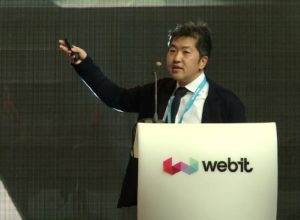
This is how edtech is changing college exams in Japan
Norihisa Wada, the CMO of Tokyo-based Edulab, Inc., an edtech leader with a strong basis in assessment and learning science, took the Webit.Festival Europe 2017 stage by storm to tell us more about the latest innovations in educations in Japan. Mr Wada, who is a former SVP Nintendo, also teaches students in Kyoto University in the field of behavior change.
Meanwhile, EduLab is providing new technology to help for better assessments in education, for example voice and handwriting recognition, which will help for better evaluation of the learners. This will impact the college entrance exams in Japan, starting in 2020.
"In year 2020 the college entrance exams will change. One big change is going from multiple choice questions test to an essay based question items. The second will be the English assessment areas. In Japan the two components were listening and reading, but we are going to add speaking and writing. These are the areas where we provide new technology like the voice recognition and handwritten technology to give a fine assessment of the learners. The national assessment in Japan is multiple choice. This will change into four spectrum assessment. You need to look into your personal characteristics. What are the creativeness you have", the expert said.
He also explained about the nature of the four spectrum assessment:
"First generation is computer based assessment. Second generation is what you call an adaptive learning assessment system. And third generation is what you call a formative assessment, where assessment technology is integrated into the learning process itself. The fourth generation is what you call a four spectrum analysis - assessment of both cognitive and non-cognitive skills".
Mr Wada and his company are also open to investing in startups in the education industry.
"We do a lot of investments today in the field of education technology. My work is connected to meeting new venture startups in the education area in which we could invest in the future. We have outposts throughout the world and these are the trends that we see today in the assessment field of education in Japan", he said.
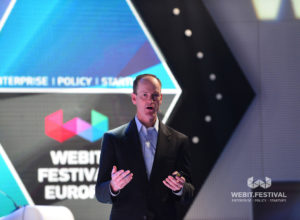
Edge computing through IoT is the future
Eric Klinker, former CEO of Bittorent and now Chief Executive Officer of Resilio Inc, was again among the top speakers at Webit.Festival Europe 2017 in Sofia. Mr Klinker now heads Resilio, spin-off of Bittorent, aiming to empower the IT administrator with world leading technologies to handle the ever expanding demands of moving big data reliably and fast over any network to any number of endpoints.
Cloud computing is now a huge part of our personal lives as we use it for storing pictures, documents and other data. Huge companies also use it to store all of their data, but according to Klinker, and with the help of IoT, edge computing could soon overtake the cloud. Edge computing refers to data, being processed in the edge of a network instead of holding it in a cloud or a data warehouse. This reduces the communications bandwidth needed between sensors and the central datecentre and also, could eliminate a lot of security and privacy issues, because of its closeness to the edge of the data.
"I start with the notion that IT is really good at one thing - it reliably produces cheap metaphors and buzzwords to help explain the things that we have always been doing. So in this way putting a bunch of computers in a room, called a Data Center is suddenly the Cloud. And the Cloud is easily the most successful IT buzzword we have ever seen. It is pure marketing genius", Mr Klinker said at the beginning of his speech.
But he believes the pendulum is swinging.
"While Mobile very much lives at the edge of the network, the processing power of the average early mobile device was so low, that it had to be combined with Cloud Computing to be useful. So all the processing of the web apps lives in the Cloud and in reality mobile computing is really a centralized computing exercise. But again, I think we can see the pendulum swinging. We can see IoT coming and we can see a world, where edge computing may finally come to life. And we will probably have more computing power and more computers on the edge of the network than we will have in data centers", the CEO of Resilio predicted.
Mr Klinker explained that world of computing is driven by Moore’s law, which says that computers are going to get cheaper and more powerful and that they are going to do it exponentially over time. That means that there is going to be a lot more computers at the edge. But it also means that they will consume much more data than they could before and that is going to create much more data. And here edge computing can help.
"A data by itself is not useful if you can’t network it to other computers to do useful things with it. The network is more like infrastructure. It is built with tools called back codes. They don’t obey Moore’s Law, they don’t double in productivity every 18 months. So what you are going to see in the next years is the diverging gap between the amount of data we can generate at the edge of the network and the capacity of the network to deliver that data to the places we needed. And that stress will be felt very acutely in the Cloud.
Computing power is obviously going to grow on the edge. Other thing that drives challenges is the need to centralize all the computing in one place. We could put enough computers and data centers at great expense and effort for a while if we have the budget of Google to support computing trends like Mobile. But IoT will add two or three orders of magnitude more computers into the internet. Can we really continue to scale data centers like we do now?", Mr Klinker asked.
The symbiosis between humans and machines is our best hope for...
When we are looking towards the future, we usually think about Artificial Intelligence as something that will bring us autonomous vehicles, clean and safe environment and healthy and extended life. Everything we have envisioned is connected to the AI.
But most of us still don’t realize how this amazing technology will be able to change our lives for the better and connect us in a way we didn’t think was possible.
During Webit.Festival Europe the Partner at IBM Ventures Christoph Auer-Welsbach shared his experience in this emerging field and explained why AI in its essence is a converging technology and enabler of the full human potential.
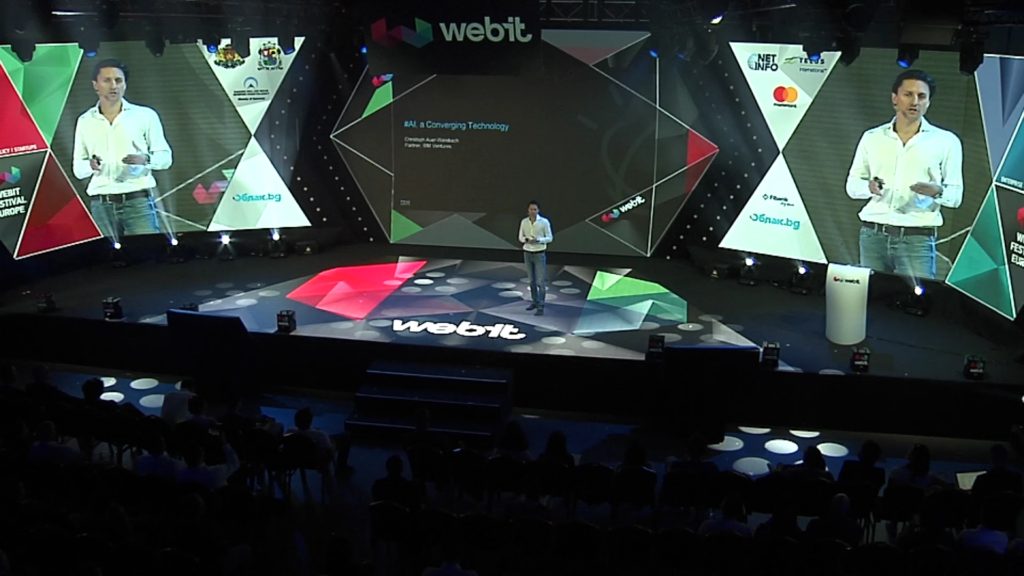 The Partner at IBM Ventures Christoph Auer-Welsbach.[/caption]
Christoph Auer-Welsbach predicts that there are 3 paradigms that are going to shape our communication with AI enabled computers in the near future.
The first is that enterprise applications and all the major IT organizations in the world will make use of any kind of conversation methodology, bot or automating systems, in the next couple of years. So our whole way of interacting with machines is going to change from input-driven to engagement and conversation-driven.
The second paradigm AI is pushing is mass individualization. Now we are living in a world where applications and solutions are built to satisfy the most common and homogenous group of people and reach them. The mass standardization we can see now is changing to mass personalization in a way that not only from a customer service view, but also from a product development and engagement point of view machines will be very much personalized on a person’s behavior, demand and attitude.
The third is that we are moving to the world of AI-enabled Convergence. It enables other technologies to flourish and get into the system contextual information and act proactively and not from a passive response point of view.
Artificial Intelligence is still in its infancy. That is why we need to be active and have the curiosity to understand what it is. It is important for every person on Earth to check the latest trends in this technology and understand how it could impact our personal and business life.
The Partner at IBM Ventures Christoph Auer-Welsbach.[/caption]
Christoph Auer-Welsbach predicts that there are 3 paradigms that are going to shape our communication with AI enabled computers in the near future.
The first is that enterprise applications and all the major IT organizations in the world will make use of any kind of conversation methodology, bot or automating systems, in the next couple of years. So our whole way of interacting with machines is going to change from input-driven to engagement and conversation-driven.
The second paradigm AI is pushing is mass individualization. Now we are living in a world where applications and solutions are built to satisfy the most common and homogenous group of people and reach them. The mass standardization we can see now is changing to mass personalization in a way that not only from a customer service view, but also from a product development and engagement point of view machines will be very much personalized on a person’s behavior, demand and attitude.
The third is that we are moving to the world of AI-enabled Convergence. It enables other technologies to flourish and get into the system contextual information and act proactively and not from a passive response point of view.
Artificial Intelligence is still in its infancy. That is why we need to be active and have the curiosity to understand what it is. It is important for every person on Earth to check the latest trends in this technology and understand how it could impact our personal and business life.
“We now use AI in situations where we didn’t have any solution yet - where technology is not capable of achieving specific results. We are putting a lot of efforts, time and resources to get there. What we have proved already is that we can solve complex, but narrow problems”, he said.The first demonstration of a machine that was capable of solving a complex problem was in 1997 when IBM’s Deep Blue defeated Garry Kasparov in chess. Roughly 15 years later a team in IBM Research had the goal to understand natural human language. The public demonstration was to defeat a human at the show Jeopardy and this was accomplished. Another thing that happened last year was Alpha Go from Google DeepMind defeating Lee Sedol in the boardgame Go and also succeeding to solve a very complex problem in a very narrow domain. And just recently a team from Carnegie Mellon University succeeded in developing a smart machine that has defeated world class poker players in Texas Hold ‘Em because it can already understand and deal with incomplete information. This all means that the future goes into the direction where AI will be used for negotiation processes, strategy development and even high level policy analytics.
“When you go to your car dealer in the future you may have a small application on your device that helps you negotiate the best possible deal”, Auer-Welsbach said.The biggest issue before the AI today is understanding humans and language. The machines understand natural text as data, not as text. This is a problem, because they are missing the context, which is necessary in order to really make use of all the data. In a recent attempt IBM broke industry record in conversation speech recognition by getting it down to 5.5%. This is important because the human error is at 5.1% which means that we are very close to understanding the natural human language from a machine perspective. This new ability can be used to build transformative relationships between humans and machines. [caption id="attachment_5072" align="aligncenter" width="640"]
The Partner at IBM Ventures Christoph Auer-Welsbach.[/caption]
Christoph Auer-Welsbach predicts that there are 3 paradigms that are going to shape our communication with AI enabled computers in the near future.
The first is that enterprise applications and all the major IT organizations in the world will make use of any kind of conversation methodology, bot or automating systems, in the next couple of years. So our whole way of interacting with machines is going to change from input-driven to engagement and conversation-driven.
The second paradigm AI is pushing is mass individualization. Now we are living in a world where applications and solutions are built to satisfy the most common and homogenous group of people and reach them. The mass standardization we can see now is changing to mass personalization in a way that not only from a customer service view, but also from a product development and engagement point of view machines will be very much personalized on a person’s behavior, demand and attitude.
The third is that we are moving to the world of AI-enabled Convergence. It enables other technologies to flourish and get into the system contextual information and act proactively and not from a passive response point of view.
Artificial Intelligence is still in its infancy. That is why we need to be active and have the curiosity to understand what it is. It is important for every person on Earth to check the latest trends in this technology and understand how it could impact our personal and business life.
“The symbiosis between humans and machines is the most capable way of making use of technology and moving forward into the future. Because we can enhance each other’s capabilities. On the one hand we have human’s capabilities like compassion, intuition and value judgement and on the other we have the learning, discovery and fact checking that machines excel at”, the expert said.You may watch Christoph Auer-Welsbach’s full lecture here: If you want to keep up with the latest trend in the world of digital economy and technology, then Webit.Festival is the right place for you. Visit our website and book 2 of our Super Earlybird tickets for Webit.Festival Europe 2018 for just €100. Feel the Webit vibe with some of the best photos from this year’s event! [easingslider id="4954"]
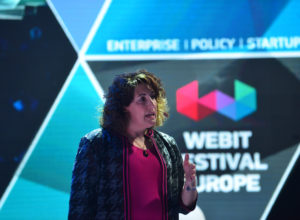
Big Data will lead to the biggest transformation in healthcare we...
In 1950’s it was estimated that the medical literature doubled every 50 years. By 1980 it was doubling every 3.5 years and by 2020 it will double every 73 days!
More than 8000 new medical articles come out every day. This makes impossible for clinicians to keep up with such volume of data. The information out there is unstructured and is coming in different forms and from different sources.
The only way our medical specialists can cope with the digital reality is with the help of artificial intelligence. During Webit.Festival Europe the Deputy Chief Health Officer for IBM Watson Health Dr. Lisa Latts explained how the latest technological advancements in this field will transform the world of healthcare in the next decades.
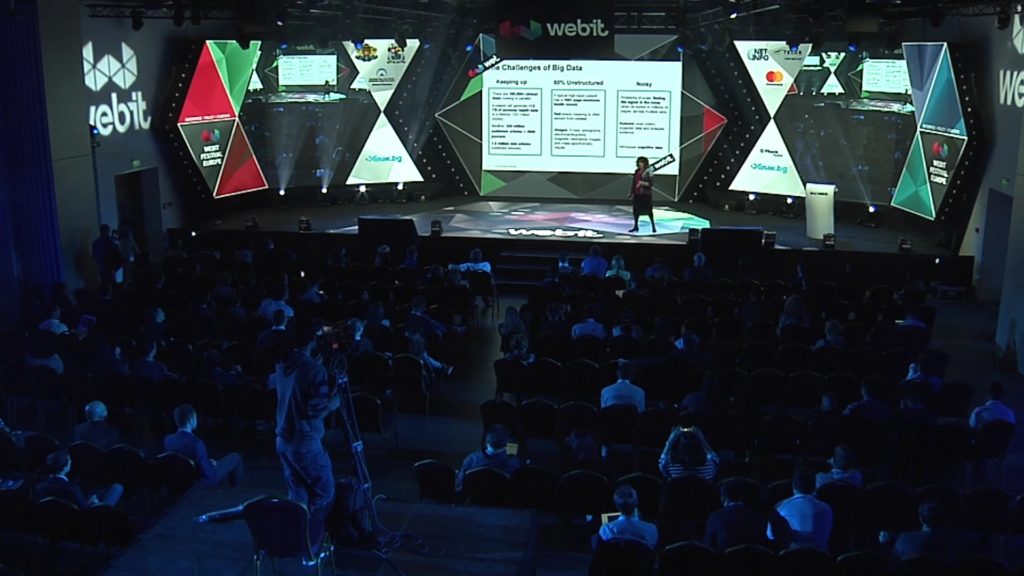 The Deputy Chief Health Officer for IBM Watson Health Dr. Lisa Latts[/caption]
We are now in in the Third age of computer technology. The first age in the early 1900’s was the Tabulating systems era - computers that basically can do math and count. Then in the 1950’s we started with Programmable computers and we are still in that age today where we have computes that we can give a variety of information and tell them what to do with it.
There is so much information available now that it is impossible to program all the characteristics and all the possible programs. So that brings us to the Cognitive computers era. IBM Watson started to work on this in the early 2000’s and 15 years after that was the official launch of Watson Health.
A cognitive computer is different from programmable computer, because it can understand, reason, learn and interact. All of this allows Watson to harness entire bodies of data. It can actually read through the data it is fed to it.
The Deputy Chief Health Officer for IBM Watson Health Dr. Lisa Latts[/caption]
We are now in in the Third age of computer technology. The first age in the early 1900’s was the Tabulating systems era - computers that basically can do math and count. Then in the 1950’s we started with Programmable computers and we are still in that age today where we have computes that we can give a variety of information and tell them what to do with it.
There is so much information available now that it is impossible to program all the characteristics and all the possible programs. So that brings us to the Cognitive computers era. IBM Watson started to work on this in the early 2000’s and 15 years after that was the official launch of Watson Health.
A cognitive computer is different from programmable computer, because it can understand, reason, learn and interact. All of this allows Watson to harness entire bodies of data. It can actually read through the data it is fed to it.
“We have made a lot of advancements in medical technology. Imagine the advancements we could have made if instead of just a fraction of data, we were able to access the entire lexicon of data that is available for an individual. Think what we could do and think of the price of not knowing”, she said.Now, many patients are not able to get the right cancer treatment, because doctors don’t know the exact characteristics of the individual tumor. People with chronic diseases don’t have access to the right medicine, because their doctors don’t have their full medical history. All of these cases are going to change with the help of Big Data. But first, experts, like the ones working in IBM, must deal with several challenges. There are a lot of bad sources of data out there, so you need to be able to separate the true from false. Doctors have got data from medical records, laboratory data, medical literature, radiology data. So they need to be able to aggregate all those forms of information to get a complete picture of what is going on with an individual. If we combine all these we will start to get to the true value of the data and start to really do things with it in terms of what we are delivering to an individual patient. [caption id="attachment_5068" align="aligncenter" width="640"]
The Deputy Chief Health Officer for IBM Watson Health Dr. Lisa Latts[/caption]
We are now in in the Third age of computer technology. The first age in the early 1900’s was the Tabulating systems era - computers that basically can do math and count. Then in the 1950’s we started with Programmable computers and we are still in that age today where we have computes that we can give a variety of information and tell them what to do with it.
There is so much information available now that it is impossible to program all the characteristics and all the possible programs. So that brings us to the Cognitive computers era. IBM Watson started to work on this in the early 2000’s and 15 years after that was the official launch of Watson Health.
A cognitive computer is different from programmable computer, because it can understand, reason, learn and interact. All of this allows Watson to harness entire bodies of data. It can actually read through the data it is fed to it.
“There is no way that a clinician can keep up with that amount of information, but Watson can. It can read million pages in a second and understand them. It can learn. So it will digest the data and will come up with evidence-based conclusions as a result. Those conclusions may or may not be right, so it takes humans to train Watson in terms of what is right and what is wrong. And it gets better and better over time”, Dr. Latts explained.All this is possible thanks to the Watson Health Platform. It allows IBM to create an ecosystem, which can be used by developers within the company and outside. This has expanded to a network of collaborators and partners creating innovation across the world. Lisa Latts is sure that artificial intelligence will not replace human doctors. Instead, the combination of humans and Watson creates augmented intelligence, that will help them focus on the fields they are better than the machine. It will free up physicians and clinicians for what people and doctors do best - interactive communication. To do their job in the best way possible, physicians need to use interpersonal communication, compassion and to be able to abstract, generalize and dream. Meanwhile, cognitive computer systems are good at taking vast amount of data and come to conclusions. All these factors are used to advance evidence-based care. Traditionally we say that in medicine it takes 17 years for a breakthrough to be translated into clinical best practice. But in the dynamic society we live in, we don’t have the luxury to wait that long any more. Using a Watson-powered solution, clinicians аре quickly armed with evidence-based and ranked treatment options for their consideration. Recommendations based on the patient’s condition and medical evidence are available in approximately 30 seconds. A physician have to read 29 hours each work day to stay up-to-date with the latest medical literature. Watson needs only 3 seconds to read 200 million documents.
“Today we are working on a variety of solutions from cancer care to evidence-based care in a value-based care setting to life science. We, Watson Health, aspire to improve lives and give hope delivering innovation to address the world’s most pressing health challenges through data and cognitive insights”, Latts said.You may watch her full lecture here: If you want to keep up with the latest trend in the world of digital economy and technology, then Webit.Festival is the right place for you. Visit our website and book 2 of our Super Earlybird tickets for Webit.Festival Europe 2018 for just €100. Feel the Webit vibe with some of the best photos from this year’s event! [easingslider id="4954"]
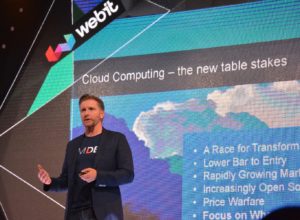
If your company doesn’t like change, it will eventually become irrelevant
If you don’t like change, you are going to like irrelevance a lot less. A famous quote from the former CEO of Ford Alan Mulally that is more than relevant for today’s age of incredible transformation, both for companies and for individuals.
As the Fourth Industrial Revolution is expanding at full speed more and more established enterprises are struggling to transform their existing activities into a more digital businesses.
During Webit.Festival Europe our guest had the chance to have these processes explained by the Vice President for Cloud and Mobile Technology at IBM Jonas Jacobi. His lecture walked us through the latest trends in Cloud Computing, Internet of Everything and Artificial Intelligence that are going to transform the life as we know it today.
According to him, we as users tend to hold on things, whether physical or not, for way too long. And what that does to us and our corporations and companies is that we are holding back the opportunity to realize the future.
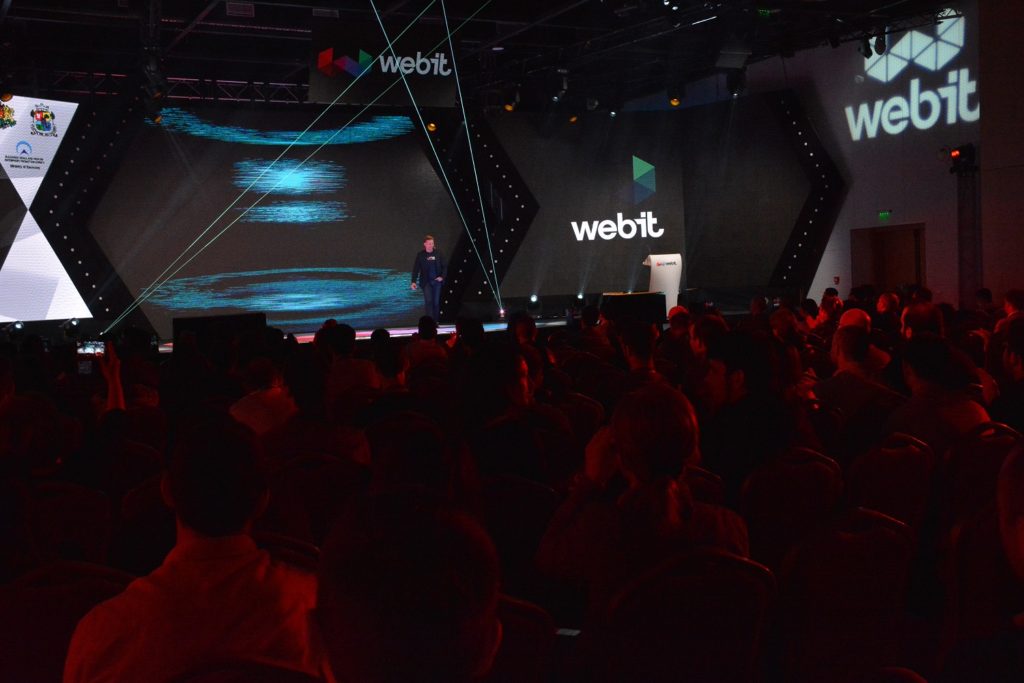 The VP for Cloud and Mobile Technology Strategy at IBM Jonas Jacobi.[/caption]
Connected cars present a giant market opportunity. But now there are even 3D printed self-driving minivans that are with built in AI. We can talk to the bus and communicate with it. We can even ask for a good restaurant and it will take us there. Now technology is not disrupting just one business, but several at the same time.
If you can 3D print a car then you disrupt manufacturing, traffic planning, optimizing traffic fall and making it greener. This is where we are heading. Soon we will just be able to download a blueprint and go print our own personalized car in the shop.
The other giant trend in technology is the rise of Artificial Intelligence. And while many people perceive the adoption of such technology as a start of the battle between the man and machine, the reality is that AI will augment humanity and human intelligence, not replace us.
The VP for Cloud and Mobile Technology Strategy at IBM Jonas Jacobi.[/caption]
Connected cars present a giant market opportunity. But now there are even 3D printed self-driving minivans that are with built in AI. We can talk to the bus and communicate with it. We can even ask for a good restaurant and it will take us there. Now technology is not disrupting just one business, but several at the same time.
If you can 3D print a car then you disrupt manufacturing, traffic planning, optimizing traffic fall and making it greener. This is where we are heading. Soon we will just be able to download a blueprint and go print our own personalized car in the shop.
The other giant trend in technology is the rise of Artificial Intelligence. And while many people perceive the adoption of such technology as a start of the battle between the man and machine, the reality is that AI will augment humanity and human intelligence, not replace us.
“It is important to realize this. If you look at where you are and where you want to be make sure to let go of the past to move on to the future”, the expert said.He reminded that Cloud Computing is actually not a new thing, but we can all give credit to Amazon for making this the number one priority for many companies today. What is important to understand about Cloud Computing is that it is now a must have thing. The Cloud Computing era brought forward a process, called Digital Transformation. A lot of established companies now go through the rapid attempt to digitalize themselves and there is a real race to transform. The other thing that Cloud Computing brought is the lower bar for entry in the space of technology. If we go back 10 or 15 years ago, it required a much bigger minimal investment to try to launch a service. In the ever evolving markets there is a price war and ultimate race to the bottom. As soon as a company comes with a low price, everyone try to chase after. The markets are growing faster than we can actually imagine thanks to trends, such as IoE and AI.
“What that means for all the cloud vendors is that they have to focus on what makes them different. That is the key thing to succeed. It can not all go down to zero in terms of revenue from our services so we have to differentiate”, said Jacobi.The important thing when we look at the things popping out on the market is that they go through some form of evaluation of the market. In the case of connected devices this process is called IoT Chasm and it follows several steps. A new trend comes out and everybody is super excited. We start with the honeymoon period which is like coming to a new place and saying that you are going to stay there forever. Then you start noticing some functions that doesn’t suit you well. But after a while you realize that you are committed to the technology. When a user is already committed, he starts looking not only for convenience, but for things like security of the product. Many IoE companies think of the security as of something that is going to come later. But we are on a stage of development in which someone can hack a car and steer it off the road Once the commitment is a fact, we get into those deeper issues, and as soon as we go through them we get into the major adoption curve of a new technology. [caption id="attachment_5060" align="aligncenter" width="640"]
The VP for Cloud and Mobile Technology Strategy at IBM Jonas Jacobi.[/caption]
Connected cars present a giant market opportunity. But now there are even 3D printed self-driving minivans that are with built in AI. We can talk to the bus and communicate with it. We can even ask for a good restaurant and it will take us there. Now technology is not disrupting just one business, but several at the same time.
If you can 3D print a car then you disrupt manufacturing, traffic planning, optimizing traffic fall and making it greener. This is where we are heading. Soon we will just be able to download a blueprint and go print our own personalized car in the shop.
The other giant trend in technology is the rise of Artificial Intelligence. And while many people perceive the adoption of such technology as a start of the battle between the man and machine, the reality is that AI will augment humanity and human intelligence, not replace us.
“At IBM we are working a lot with AI on healthcare. AI can help doctors reach a decision faster, get access to more information faster and anything else in the market. In this case it is an opportunity to improve and safe life of many”, Jacobi said.He thinks that cognitive systems do not think for us, but help us do research and make better decisions. The IBM expert said that no matter how hard we resist and try to push back change, it will inevitably come to us, so we should instead endorse it and bring it in. Because the sooner we adopt new technology, ideas and business models, the faster we can evolve as companies and individuals. You may watch Jonas Jacobi’s full lecture here: If you want to keep up with the latest trend in the world of digital economy and technology, then Webit.Festival is the right place for you. Visit our website and book 2 of our Super Earlybird tickets for Webit.Festival Europe 2018 for just €100. Feel the Webit vibe with some of the best photos from this year’s event! [easingslider id="4954"]
How to fix our education systems for the AI age
We are all talking about the Fourth industrial revolution and its potential toll on the labour market around the world. As the developments of robots, AI and automation seem inevitable, countries, communities and organizations must find ways to adapt our skills to the needs of the future.
During Webit.Festival Europe we had the chance to listen to one of the people that are going to drive this existential change in the processes of learning. The Director of Strategic and International Development at Wolfram Research Conrad Wolfram shared his thoughts on fixing the education for the AI age and took us on a journey through the challenges education faces today.
Wolfram technology and consulting solutions drives innovation in data analytics, software development and modelling from startups to Fortune 500 companies, in industries as diverse as medicine, finance and telecoms.
Conrad is also recognized as a world authority on fixing Math education, including advocating a fundamental shift to focus on computer-based computational thinking rather than hand calculation.
During his speech, he outlined the main effects computers and AI have on education. The first one is that we need to learn subjects that have changed, because the computers now do work that usually humans used to have to do. The second is that AI gives us the tools for building a more personalized learning, assessment and experience during the learning process.
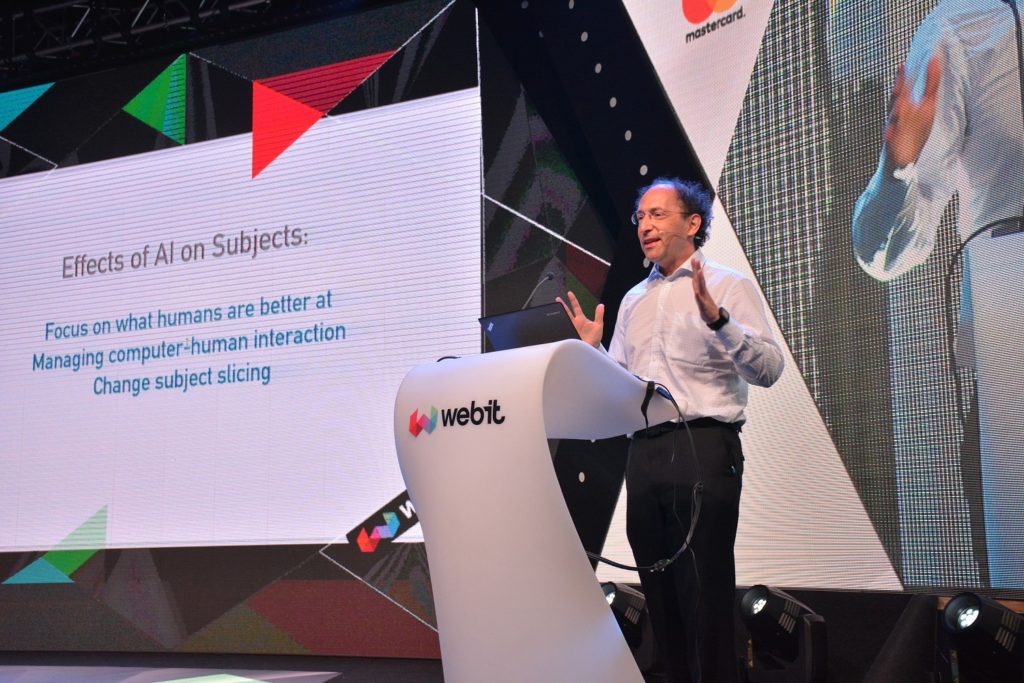 The Director of Strategic and International Development at Wolfram Research Conrad Wolfram.[/caption]
There are at least 3 good reasons for learning the right kind of Math. The first is that it gives us skills for the technical jobs that have powered our economies and continue to do so. The second is that it creates our everyday ability to work in the modern society and deal with the reask that are displayed to us. And the third is that it creates logical thinking about the ways we approach life.
If we talk about the actual essence of Math, we must say that it is a four-step process. You define a question, you translate it to to this abstract notation and the reason you do that is that you can then compute answers much better than you can by talking about it in a normal language, like English or Bulgarian. Then you interpret the results. You take that abstract answer and you go back trying to produce the actual answer to the real question you asked.
The Director of Strategic and International Development at Wolfram Research Conrad Wolfram.[/caption]
There are at least 3 good reasons for learning the right kind of Math. The first is that it gives us skills for the technical jobs that have powered our economies and continue to do so. The second is that it creates our everyday ability to work in the modern society and deal with the reask that are displayed to us. And the third is that it creates logical thinking about the ways we approach life.
If we talk about the actual essence of Math, we must say that it is a four-step process. You define a question, you translate it to to this abstract notation and the reason you do that is that you can then compute answers much better than you can by talking about it in a normal language, like English or Bulgarian. Then you interpret the results. You take that abstract answer and you go back trying to produce the actual answer to the real question you asked.
“The key point to understand is that we need humans to focus on what they are good at and leave computers do the same. And that involves also humans learning how to connect with computers in a meaningful way, so that we have the best interface to get the computers do what we want”, Wolfram said.He gave the example with the ever changing survival skills during the years. Hundreds of years ago it was crucial to be able to make a fire or to kill an animal to eat. There are now different and very modern survival skills to do with computational knowledge. According to him the skill at the top of the future value chain is what we may call computational thinking - knowing how to think in a computational way about life. Around the world we spend many hours of child’s life every week learning Math. But Wolfram thinks that the big question we must ask ourselves is whether this Math is fostering computational thinking, or not? He thinks that right now this is not the wrong subject and we should use all those hours to do much more computational thinking oriented subjects. [caption id="attachment_5052" align="aligncenter" width="640"]
The Director of Strategic and International Development at Wolfram Research Conrad Wolfram.[/caption]
There are at least 3 good reasons for learning the right kind of Math. The first is that it gives us skills for the technical jobs that have powered our economies and continue to do so. The second is that it creates our everyday ability to work in the modern society and deal with the reask that are displayed to us. And the third is that it creates logical thinking about the ways we approach life.
If we talk about the actual essence of Math, we must say that it is a four-step process. You define a question, you translate it to to this abstract notation and the reason you do that is that you can then compute answers much better than you can by talking about it in a normal language, like English or Bulgarian. Then you interpret the results. You take that abstract answer and you go back trying to produce the actual answer to the real question you asked.
“Here is what is going wrong in education. We spend almost all our time learning how to do step 3 by hand. This is the step that computers can do fantastically better than any humans. So what we all should be doing is use computers for step 3 much more and using students much more for steps 1, 2 and 4”, Wolfram said.In school students learn how to solve a linear equation by hand, but in real life the equations we face are much harder and complex. Now our smartphones are able to solve linear equations after a voice command from us. So the key question is why are we spending 10 years of our students lives trying to get them to solve such tasks. Conrad Wolfram founded the computerbasedmath.org to drive implementation of the change. It is now a worldwide force in re-engineering the curriculum with early projects in Estonia, Ireland, Sweden and Africa. The main idea behind the project is that the computer already exist, we have it and it is not going away. And the main task is to figure out how the curriculum should look like. For years we had countries trying to be part of the knowledge economy as opposed to manual labour. The next step is an economy that is driven not only by knowledge, but by the interaction of humans and computation. According to Conrad Wolfram, without a fundamental reform of our education, we are not ready for that. So governments and organizations need to think about innovative ways to unstick the education ecosystem, so that we can have real innovations and not just have to stick with the same things.
“I am avoiding the term Math for much of what I’m now talking, because I think that Math has become a rather toxic word. I like the term computational thinking, but whatever it is called we have to reform what we are doing, either by making a new subjects or by doing a hostile takeover of the old subjects. And it is vital to make that as quickly as possible. Once you got automation in life from machines you need to use it so that humans can go further. We don’t have to make humans compete with the machines, because we will fail”, he said.You may watch Conrad Wolfram’s full lecture here: If you want to keep up with the latest trend in the world of digital economy and technology, then Webit.Festival is the right place for you. Visit our website and book 2 of our Super Earlybird tickets for Webit.Festival Europe 2018 for just €100. Feel the Webit vibe with some of the best photos from this year’s event! [easingslider id="4954"]
IoT is the key to solving the complex world of science
We often think about innovation and science as a one whole thing. But in the age of connectivity and information sharing most of the science-based organizations remain disconnected from the Cloud computing and its amazing capabilities.
Fortunately this is going to change fast because of the fast development of IoT solutions that are going to cut the research and development costs of companies and help them invest more into amazing science discoveries that will benefit all of us.
During the IoE Summit of Webit.Festival Europe the Founder and CEO of Elemental Machines Sridhar Iyengar took us on a journey through the process of making science in the Digital Age and shared his vision about overcoming the obstacles that science-based companies face today.
Sridhar also founded AgaMatrix, a blood glucose monitoring company that made the world’s first medical device connecting directly to the iPhone and shipped 15+ FDA-cleared medical products, 2B+ biosensors, 6M+ glucose meters, with partnerships with Apple, Sanofi, and Walgreens. He is a holder of over 30 US and international patents.
His presentation showed our guests how the IoT technologies are accelerating science-based work and are helping for the development of new drugs and products that are crucial for our common future.
Iyengar explained that for investing in science-based organizations is often perceived as too risky for venture capitalists and angel investors. The main reason is that such activity requires serious initial capital and is still full of unknowns.
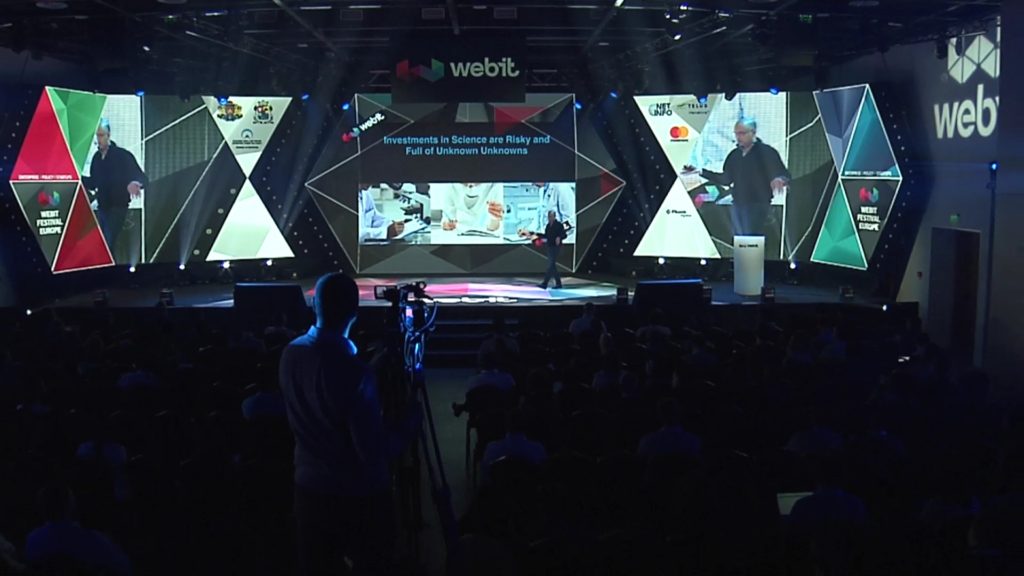 The Founder & CEO of Elemental Machines Sridhar Iyengar[/caption]
Right now pharmaceutical companies invest millions of dollars in research and development, but very little of this scientific world is actually connected to the Cloud. We already have smart homes and devices, and now is the time to develop smart laboratories and factories that are able to share their results and reap the power of cloud computing.
Maybe the best example of that is the San Francisco company Emerald Cloud Lab (ECL), which Iyengar described as “the Amazon for science”. It has developed a fully robotized laboratory. If you have a science experiment you just have to go to their website and code the process and machines will execute it.
The first cloud connected laboratory in the entire world gets the human error out of the equation and guarantees the same results in every execution of the process. In the long-term offering experimentation as service may revolutionize the science-based businesses by cutting their costs and removing the need to develop their own research in development facilities.
Another example of great innovation is the Bay Area company VIUM, which have a digital mouse lab and removes the actual mice from the drug test process. It collect terabytes of data on mice with dozens of sensors.
The Founder & CEO of Elemental Machines Sridhar Iyengar[/caption]
Right now pharmaceutical companies invest millions of dollars in research and development, but very little of this scientific world is actually connected to the Cloud. We already have smart homes and devices, and now is the time to develop smart laboratories and factories that are able to share their results and reap the power of cloud computing.
Maybe the best example of that is the San Francisco company Emerald Cloud Lab (ECL), which Iyengar described as “the Amazon for science”. It has developed a fully robotized laboratory. If you have a science experiment you just have to go to their website and code the process and machines will execute it.
The first cloud connected laboratory in the entire world gets the human error out of the equation and guarantees the same results in every execution of the process. In the long-term offering experimentation as service may revolutionize the science-based businesses by cutting their costs and removing the need to develop their own research in development facilities.
Another example of great innovation is the Bay Area company VIUM, which have a digital mouse lab and removes the actual mice from the drug test process. It collect terabytes of data on mice with dozens of sensors.
“I’m from Boston and biotech companies here raise $40 million as their first round of investment. And most companies don’t raise that much money through the entire process of their existence. Yet if you are going to develop a drug it is going to cost you tens, or even hundreds of millions of dollars”, the expert explained.People who work in technology fields understand Moore’s Law and the fact that the processing power of computers is growing exponentially. But what most of us don’t realize is that in biotech world it is quite the opposite. Eroom’s Law (Moore’s Law spelled backwards) says that as the years goes on the amount of money needed to produce new a single drug is growing. So for every $1 billion dollars that is invested into making a new drug, you get less and less ROI. One of the main obstacles before making science is the fact that every activity is done in the physical world. This creates hundreds of factors that influence and cause variations in the end result. According to Iyengar doing science is very similar to writing code. Working in a laboratory or a manufacturing facility requires following a procedure and a protocol. Code is nothing more than a set of procedures and steps that machine executes. When things co wrong in code, developers have tools, called debuggers. But in science there are no such tools and the debugging process is much harder.
“It is pretty much like baking a cake. You follow recipe, you bake it and supposedly you should get the cake out. If each of us took home the same recipe for chocolate cake and we came back tomorrow, we will probably have dozens of slightly different kinds of cakes, even that we followed the same procedure. In cooking it is okay, but when you are making a drug, it is no”, he said.In software our operating system may be iOS, Windows, Linux or else. But in science-based industry the operating system is the physical world. Because every time doing experiment, every time you test something on a mouse, every time you do a sequence of a genome, the physical world changes. And if you are trying to do the same things in two different days, you have to make sure that all the conditions are the same. This is the most important thing about science - that everything is based on physical properties. When something goes wrong with your final product there are millions things that could have caused why it could went wrong. And finding that is actually really hard and takes a lot of time and resources. [caption id="attachment_5044" align="aligncenter" width="640"]
The Founder & CEO of Elemental Machines Sridhar Iyengar[/caption]
Right now pharmaceutical companies invest millions of dollars in research and development, but very little of this scientific world is actually connected to the Cloud. We already have smart homes and devices, and now is the time to develop smart laboratories and factories that are able to share their results and reap the power of cloud computing.
Maybe the best example of that is the San Francisco company Emerald Cloud Lab (ECL), which Iyengar described as “the Amazon for science”. It has developed a fully robotized laboratory. If you have a science experiment you just have to go to their website and code the process and machines will execute it.
The first cloud connected laboratory in the entire world gets the human error out of the equation and guarantees the same results in every execution of the process. In the long-term offering experimentation as service may revolutionize the science-based businesses by cutting their costs and removing the need to develop their own research in development facilities.
Another example of great innovation is the Bay Area company VIUM, which have a digital mouse lab and removes the actual mice from the drug test process. It collect terabytes of data on mice with dozens of sensors.
“They know how much they sleep, how much they walk around, which direction is their nose pointed, how often they feed. And every single thing is captured, so that when something goes wrong you have a huge database where you can go through and debug what may have happened”, Iyengar said.Тhese are two examples of how IoT, connected devices and cloud computing are being applied to drug discovery and science and research, but there are many more to come. You may watch Sridhar Iyengar’s full lecture here: If you want to keep up with the latest trend in the world of digital economy and technology, then Webit.Festival is the right place for you. Visit our website and book 2 of our Super Earlybird tickets for Webit.Festival Europe 2018 for just €100. Feel the Webit vibe with some of the best photos from this year’s event! [easingslider id="4954"]
The Millennials expect brands to know them not as a segment,...
Few years ago the Executive Chairman of Google Eric Schmidt predicted that soon it will be very hard for people to watch or consume something that is not in some sense been tailored especially for them. And as the Millennial generation becomes a bigger and bigger part of the consumer population marketers realize that this is quickly becoming reality.
The challenge before the marketing experts worldwide is to catch up with this giant trend and to find new ways to personalize their products and services and make them relevant for the Generation Y.
And during Webit.Festival Europe the Chief Marketing Officer of Selligent Nick Worth shared his vision about the evolution of his profession in the Digital age and the changing consumer behavior.
Nick joined the Selligent Executive Advisory Board in 2013, and became the company’s first CMO a year later. Selligent was recently recognized by Venture Beat as the world's fastest growing marketing automation company. Today, it offers the world’s first relationship marketing platform that can deliver on the promise of consumer-first marketing with contextually
The main hypothesis behind this success is that people live in moments, and the moment is the key to marketing, because that is when somebody has to make a big decision.
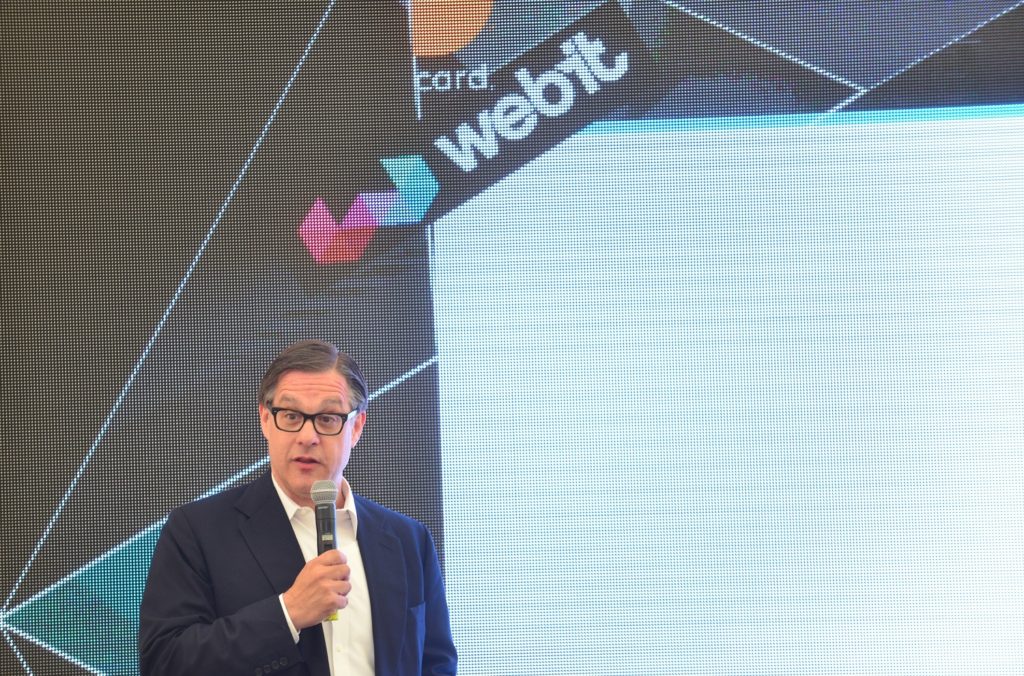 The Chief Marketing Officer of Selligent Nick Worth [/caption]
The person that thinks that cereal is inconvenient is called the entitled consumer. He believes that he is inherently deserving of privileges of special treatment. 90% of us expect real-time customer service. 78% expect automatic payments and checkouts. 79% expect same-day delivery. 53% expect retailers to learn their taste and make suggestions. 48% even expect that there will be a service that ships products before they order them. This is an actual thing that is called Anticipatory commerce.
All businesses today have to market in a world where people think that they are going to order products with their brains and the marketers will just know where to send them. And this is a tough world to live in.
The Chief Marketing Officer of Selligent Nick Worth [/caption]
The person that thinks that cereal is inconvenient is called the entitled consumer. He believes that he is inherently deserving of privileges of special treatment. 90% of us expect real-time customer service. 78% expect automatic payments and checkouts. 79% expect same-day delivery. 53% expect retailers to learn their taste and make suggestions. 48% even expect that there will be a service that ships products before they order them. This is an actual thing that is called Anticipatory commerce.
All businesses today have to market in a world where people think that they are going to order products with their brains and the marketers will just know where to send them. And this is a tough world to live in.
 Another interesting example is ING. Like all retail banks their biggest challenge is getting new customers because new customers in banks are young people. You want to get them in university or first job and then build a relationship that will last for years.
Rather than reaching out to young people in Belgium on the basis of how great their banking services are, they try to think about what young people do in Europe during the summer. They go to music festivals, because they are fun. But music festivals have problems. There is no parking, there are no toilets, there is no place to charge your phone. If you are caring a lot of valuable stuff there is no place to put them. If you want to share your experience with your friends it is hard to do it because there is no signal.
So ING built its summer festival campaign using technology to provide young people with all these things. This gives ING the opportunity to gather a lot of information about these potential new customers. Meanwhile young people tell to themselves that there is a bank that understands what they want, even if it has nothing to do with banking.
You may watch Nick Worth’s full lecture here:
If you want to keep up with the latest trend in the world of digital economy and technology, then Webit.Festival is the right place for you. Visit our website and book 2 of our Super Earlybird tickets for Webit.Festival Europe 2018 for just €100.
Feel the Webit vibe with some of the best photos from this year’s event!
[easingslider id="4954"]
Another interesting example is ING. Like all retail banks their biggest challenge is getting new customers because new customers in banks are young people. You want to get them in university or first job and then build a relationship that will last for years.
Rather than reaching out to young people in Belgium on the basis of how great their banking services are, they try to think about what young people do in Europe during the summer. They go to music festivals, because they are fun. But music festivals have problems. There is no parking, there are no toilets, there is no place to charge your phone. If you are caring a lot of valuable stuff there is no place to put them. If you want to share your experience with your friends it is hard to do it because there is no signal.
So ING built its summer festival campaign using technology to provide young people with all these things. This gives ING the opportunity to gather a lot of information about these potential new customers. Meanwhile young people tell to themselves that there is a bank that understands what they want, even if it has nothing to do with banking.
You may watch Nick Worth’s full lecture here:
If you want to keep up with the latest trend in the world of digital economy and technology, then Webit.Festival is the right place for you. Visit our website and book 2 of our Super Earlybird tickets for Webit.Festival Europe 2018 for just €100.
Feel the Webit vibe with some of the best photos from this year’s event!
[easingslider id="4954"]
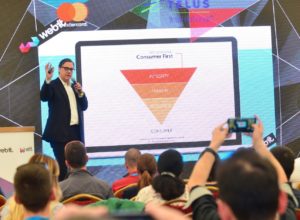
“We think about that in terms of something called consumer-first marketing. Traditionally marketers start with a program and channel. We think that you need to turn that upside down and start with the need of the person”, Worth explained.Consumer-first marketing inverts the traditional approach to marketing. It focuses on consumers to identify opportunities for filling the unmet need, entertaining or solving a pressing problem. It all starts with the need, treating it with integrity and listening to what consumers are telling about their requirements. As a marketer in the Digital age, you have to first be empathetic, and then deliver something that is relevant to the moment. As an example for the ever changing behavior of the consumer, Worth talked about the development of cereal breakfast market in the US during the last couple of decades. He remembered that when he was a kid his family always gathered in the morning to eat cereal as a time for bonding together. The reason the used this kind of food because it was convenient and fast to prepare. Later in college he ate cereal, not only for the convenience, but because of the low price. In the same time statistics show that cereal sales in the US are declining. The reason people don’t want to eat cereal any more is that it need a bowl and spoon that you have to clean. What happened is that this product went for being super popular because of its convenience to being unpopular for the exact opposite reason. What is taking off in the US is the sales of whole food bars. You just have to unwrap it and eat it. The point is that while the cereal stayed exactly the same during the years, the people have changed. And their expectations about what seems convenient changed too. [caption id="attachment_5037" align="aligncenter" width="640"]
The Chief Marketing Officer of Selligent Nick Worth [/caption]
The person that thinks that cereal is inconvenient is called the entitled consumer. He believes that he is inherently deserving of privileges of special treatment. 90% of us expect real-time customer service. 78% expect automatic payments and checkouts. 79% expect same-day delivery. 53% expect retailers to learn their taste and make suggestions. 48% even expect that there will be a service that ships products before they order them. This is an actual thing that is called Anticipatory commerce.
All businesses today have to market in a world where people think that they are going to order products with their brains and the marketers will just know where to send them. And this is a tough world to live in.
“The Millennials expect brands to know them not as a segment but as an specific individuals. Their grandparents are worried about privacy online. What they worry about is relevance. They expect brands to give them individual experience. This is the first generation that don’t want to be thought about as a generation, but as individuals”, Worth said.An obvious example for this is the ever growing $200 billion fast food market in the US. Statistics show that Chipotle is taking over the McDonald’s because of the personalized products they offer. Their clients can pick every ingredient in the Mexican food they order. The entitled consumers want convenience, value and relevance. The average number of daily marketing messages per consumer have gone from 500 in 1920 to over 10 000 in 2016. We have become a world where people are giving brands about 8 seconds of attention, while the average level of attention span of a goldfish is around 9-10 seconds. One of the main problems is that Millennials are not multitasking. Instead, they are selectively paying attention to one thing tuning out others and then switching. That means that if you want to send a teenager a message you have got to tune out other things.
Another interesting example is ING. Like all retail banks their biggest challenge is getting new customers because new customers in banks are young people. You want to get them in university or first job and then build a relationship that will last for years.
Rather than reaching out to young people in Belgium on the basis of how great their banking services are, they try to think about what young people do in Europe during the summer. They go to music festivals, because they are fun. But music festivals have problems. There is no parking, there are no toilets, there is no place to charge your phone. If you are caring a lot of valuable stuff there is no place to put them. If you want to share your experience with your friends it is hard to do it because there is no signal.
So ING built its summer festival campaign using technology to provide young people with all these things. This gives ING the opportunity to gather a lot of information about these potential new customers. Meanwhile young people tell to themselves that there is a bank that understands what they want, even if it has nothing to do with banking.
You may watch Nick Worth’s full lecture here:
If you want to keep up with the latest trend in the world of digital economy and technology, then Webit.Festival is the right place for you. Visit our website and book 2 of our Super Earlybird tickets for Webit.Festival Europe 2018 for just €100.
Feel the Webit vibe with some of the best photos from this year’s event!
[easingslider id="4954"]
Exclusive content is what drives the audience in the Digital age
In the digital world we live in we get information about what is happening around the globe literally on every second. In an information environment like that the task of running a newspaper may seem almost impossible, especially if you want to reach the young audiences and Мillennials in general.
But there are more than several examples around the world of successful symbiosis between the old school analytical journalism and the fast lane news reporting using the tools that digital technology gives us.
During this year’s Webit.Festival Europe our guest had the chance to listen to the Global Entertainment Director of Telegraph Media Group talking about the customer journey through creative content and the right balance between engagement and scale in the media industry nowadays.
Parkinson has over 20 years experience in all aspects of Marketing and Distribution in the UK and International film distribution industry. Starting her career in the marketing department of the legendary Palace Pictures and then going on to roles as Promotions Manager at United International Pictures followed by 11 years as Head of Film across the Emap portfolio. Denise's most recent roles have included Director of International Marketing for Europe, Middle East and Africa for Disney, ABC and ESPN Television and Global Entertainment Director for Yahoo!
Recently she was asked by The Telegraph to develop the film category of their news. Now she works closer with the movie studios, while her work is increasing the revenue and contend on all communication channels of the 200-years old newspaper.
Expanding a media institution like The Telegraph to reach the digital audience is definitely not an easy task. The newspaper is a classic broadsheet with conservative analysis and old school media approach. But now its movie section is reaching the mass public, making the studios happy and getting a big part of their revenue through promotion campaigns.
That level of success required a complete reform in the way the media is producing content that work seamlessly with its digital and print products. And while the newspaper may look like a conservative broadsheet, the app is bright,visual and simple to use and give us the option to choose only the content we want to see and get notifications about the breaking news in the respective categories.
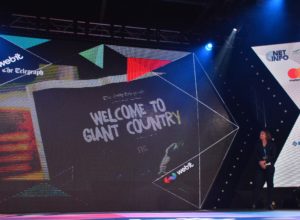
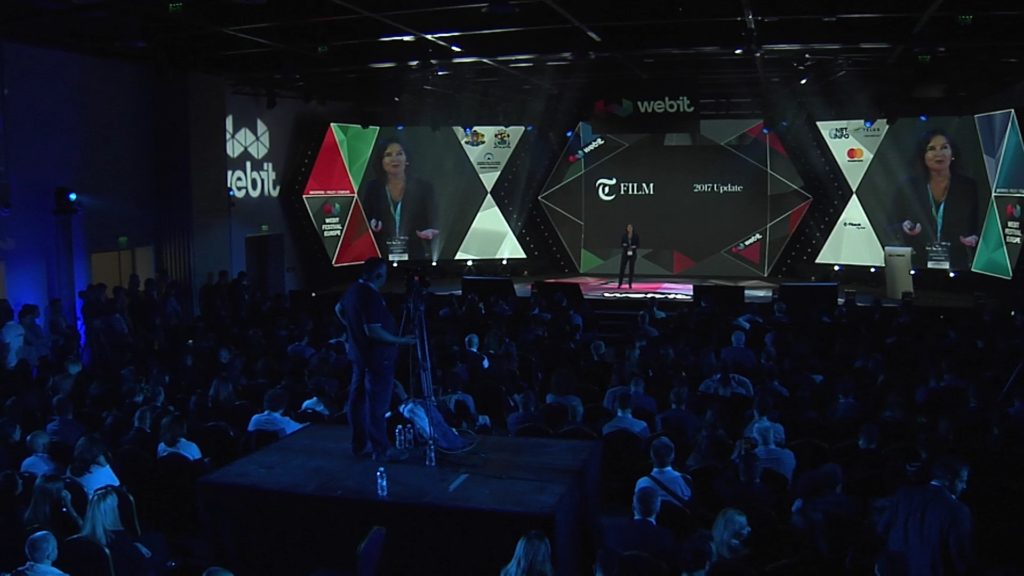 The Global Entertainment Director at Telegraph Media Group Denise Parkinson[/caption]
For the last several years The Telegraph established itself as the go to media when searching information about upcoming movies with its exclusive content and innovative Omni-channel approach.
The Global Entertainment Director at Telegraph Media Group Denise Parkinson[/caption]
For the last several years The Telegraph established itself as the go to media when searching information about upcoming movies with its exclusive content and innovative Omni-channel approach.
“This segment is about the consumer journey. It’s so hard to get cut through now and get stand through. It’s so hard to get people to go to the movie, when there is Netflix and Amazon and so many enticements to just stay at home and watch on your tablet”, Parkinson said.Today, The Telegraph is not just a quality newspaper for the British public, but a 360 degrees publisher with global reach through online website, mobile app and print edition. It has 22.5 monthly users. 6.7 million of them are reading news on a desktop computer, 4.4 million in print and 16.6 on various devices, so the mobile is really the growth area for the future. And while the media is publishing some premium content as part of its monetization strategy, 80% of the content is free and easy to access for the user. If you want in-depth analysis from any of The Telegraph’s columnists on sport, politics, entertainment, lifestyle etc., you need to pay a small monthly fee to access the premium sections of the newspaper online editions. With that, you also get subscribers benefits and unique opportunities, including even red carpet experiences. [caption id="attachment_5028" align="aligncenter" width="640"]
The Global Entertainment Director at Telegraph Media Group Denise Parkinson[/caption]
For the last several years The Telegraph established itself as the go to media when searching information about upcoming movies with its exclusive content and innovative Omni-channel approach.
“We are number 1 for cinema goers. That means that we have more cinema goers engaging with our brands than our competition. This is really important message to send to the film studios and to work with them on their promotions. We have a young audience. So for an old newspaper that has got a conservative tone and voice it’s really fantastic to know that we index much higher with youth audience more than you would expect. We actually have more users than Buzzfeed”, Parkinson said.As an example of the 360 degrees approach of the media she pointed out the exclusive interview with the Hollywood star Adam Driver. The Telegraph ran an online competition and gave its audience a chance to come to the interview, watch the film “Paterson” before its official premiere and meet the actor in person. Right now Adam Driver is really huge star because of his role as Kylo Ren in the reboot of the Star Wars saga and this kind of award is very interesting for the readers. The interview was streamed live for the people, who couldn’t win the tickets. According to Parkinson this is a complete integrated promotion that fits the distributor’s every need. Because they get a lot of pre-promotion, when the media was promoting the competition, that happened about 2 weeks before the film was released. And just a few days before the premiere the live interview happened. That interview was then edited and uploaded on the site to sustain the interest couple of weeks after the movie was released.
“It’s a win win and we get exclusive content which means if you are Adam Driver fan we are the only place that you can come to. So the most important thing is getting exclusives, because exclusives are what drives audience”, she explained.Going back to the old school approach, the newspaper was able to integrate the legacy of the brand and produce some engaging advertorials, because in the media business everything is about the engagement and keeping the audience on the page as long as possible. You may watch the full lecture of Denise Parkinson here: If you want to keep up with the latest trend in the world of digital economy and technology, then Webit.Festival is the right place for you. Visit our website and book 2 of our Super Earlybird tickets for Webit.Festival Europe 2018 for just €100. Feel the Webit vibe with some of the best photos from this year’s event! [easingslider id="4954"]