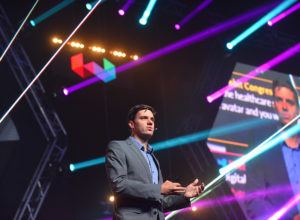
Will the blockchain industry change digital advertising?
The crypto market exploded over the last three years. A lot of industries started looking at blockchain as a technology, as to whether it can solve some of their biggest challenges.
Let's look at blockchain:
Blockchain as a technology is still at its infancy. We're still at the hype cycle and blockchain is sitting right next to autonomous vehicles which I don't see happening in the next two or three years and Event-triggered marketing. So as a technology, blockchain might grow into something big like the internet or even bigger, but it might also fade away into some narrow use cases.How can Blockchain improve the Digital Media and advertising landscape?
There are some use cases which are rather obvious: * Fraud detection and prevention * User Identity * Buying and selling inventory, etcCentralization vs. Decentralization
Trust a third party or to use a decentralized approach?Decentralization PROs
* Durability, reliability and longevity - Due to the decentralized networks, blockchain does not have a central point of failure and is better able to withstand malicious attacks. * Process integrity - Users can trust that transactions will be executed exactly as the protocol commands removing the need for a trusted third party. * High quality data - Blockchain data is complete, consistent, timely, accurate and widely available. * Transparency and immutability - Changes to public blockchain are publicly viewable by all parties creating transparency. All transactions are immutable, which means they cannot be altered or deleted.Decentralization CONs
* Trusted 3rd parties - it's not Central vs Decentralized. The advertising ecosystem is based on trusted third parties. These 3rd parties are innovation drivers. * It's too slow - Digital advertising is real-time. RTB standard requires service response in 100ms.There are several examples which already use blockchain in addressing some of digital advertising's biggest challenges.
adChain tries to create a token curated registry of publishers in order to verify and simplify the buying. And papyrus is a decentralized programmatic value management platform aimed to radically improve programmatic advertising stack. All of these solutions are in the making, they are not really ready but they are evolving pretty fast. Several years ago we were talking about mobile apps, then AI, now blockchain. The hype cycles of few years ago were longer and we used to have more time to adapt to them. But now they are becoming shorter and they’re starting to overlap. It wasn’t long long ago that we were talking about programmatic buying. Now it is programmatic buying on a decentralized exchange powered by blockchain.Missed the 2018 edition of Webit.Festival Europe? Don’t miss the 2019! Get your super early bird 2in1 tickets – 2 for the price of 1 here!
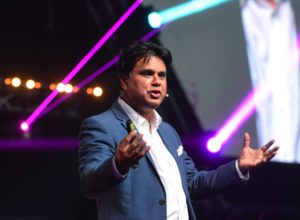
The future of Health at Webit.Festival Europe 2018
Health is so important to all of us, it requires change. How do we create a better future for all of us?
In healthcare around the world there's change in quality, sometimes poor access. How do we enable technology to deliver the things that we all aspire? - to make healthcare free for all at a high quality. That's the role of Health.Summit chaired by prof. Shafi Ahmed. Medicine is the perfect example of how the fourth industrial revolution is changing all of us.What about Europe?
We need data and insights on the health of European citizens, on how we organize care, and on how much our health systems cost. The EC joined forces with the OECD and the Observatory on Health Systems and Policies, and analyzed each EU country. The reports show that our healthcare needs to be more effective, accessible and resilient. For example, 80% of healthcare costs are spent on treating chronic diseases, but just a fraction on prevention. Shifting on prevention not only tackles inequalities in health and quality of life, but also offers an enormous economic return. Today, one in four patients have no access to a family doctor or a local health center, and have to go to an emergency department. With available and affordable primary care we can avoid unnecessary hospital admissions. Too often patients are searching for the best possible treatment in a maze of scattered health services. Integrated care, where all care providers work more closely together delivers better results for patients. "The state of Health" in the EU links the strengths and challenges in the different European countries to common health priorities across the EU. The reports help policymakers make relevant and efficient choices so all of us can enjoy a healthy future.Teaching tens of thousands of people together to improve the education resources.
As a global surgeon prof. Shafi Ahmed thinks about how to scale the learning and education around the world. Now we are connected with cables, by phones and satellites. And because we are connected now we can reach far more. We have social media to connect with people. We are changing the paradigm of the doctor-patient relationship using AI, chat bots, deep machine learning, avatars and holograms. In the next 2-5 years we are going to communicate in a different way. The human interaction will little bit disappear because it is too expensive.
I thought "How can I connect with people around the world? Let's connect my avatar with other avatars in America, in India. Can they come to my theater together in this virtual space? They call me the Virtual Surgeon.
[embed]https://www.youtube.com/watch?v=-4T49_zz3HA[/embed]
Imagine someone operating on the other side of the globe, calling you and saying: "I need some advice, can you come?" Plane travel - too long, inefficient. What about transporting yourself as a hologram?
Shafi Ahmed has been spending a lot of time talking about how we use technologies in a way that we haven't done before. And at Webit.Festival Europe 2018 he announced that he and Mr. Martin Dockweiler are launching the first digital hospital in South America. The hospital will be called SAMD (Shafi Ahmed Martin Dockweiler) University Hospital. It will have a center of innovation, research, teaching. They will be testing new technologies.
The future is not today or tomorrow. It's happening all around us as we speak. And that is the future we create for ourselves.Missed the 2018 edition of Webit.Festival Europe? Don’t miss the 2019! Get your super early bird 2in1 tickets – 2 for the price of 1 here!
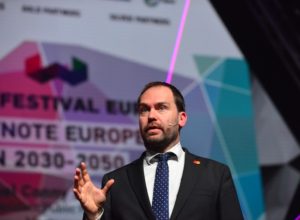
Vision for Europe 2030-2050 – Мain drivers to change
Everyone agrees that Europe will change and it's future is at stake unless policy makers along with companies as well as startups cooperate together to make positive change happen."For the last 12 years, the European Union’s share of global GDP has fallen from nearly 32% to only about 23%. Although it is difficult to imagine the continent again becoming the center of global manufacturing, the EU still has the tools to reverse this trend." shares Webit.Foundation's Executive Chairman Plamen Russev in one of the articles, featured in WEForum website.
Mr Mikael Svensson, the Vice-president of Government Affairs & Public Policy Europe for Mastercard shared 4 main drivers to change:
- Population - population will grow rapidly, by 2 billion mostly in Africa, Asia and Latin America, whereas by 2050 the European population will have shrunk - Economy - economic growth will happen in emerging markets (China, India) and Europe will make up only 9% of the global GDP (compared with the 15% we have now) - Consumption patterns - uneven with the biggest amplitude in the way of living ever. - Politics - while it's impossible to speculate what the political situation will look 30 years from now, there are a couple of trends, that are difficult to ignore- emerging markets will gain more political power
- given the multi polarization of the planet, it will be impossible for European countries to go solo and try be a world leader on their own
Mr Svensson's personal 4 main drivers for brighter future that he shared @Webit stage are:
- EU - although not perfect, it gives a scale for acting and working with giants; - Competition - Companies, products and services are to become top-notch where many fail, unfortunately; - Innovation and technology - which will help us overcome the aforementioned challenges and which proved pessimists wrong when it comes to the future; - Free access to all markets - i.e. globalization where it doesn't matter if the company is Bulgarian or Swedish, what matters is that the investments and the opportunities are benefiting the EU. While Mr Svensson's speech may seem rather negative, he still remains optimistic believing that we all have the ability to choose our own destiny. All of the components mentioned above intertwine and we are capable and smart enough to make Europe great again by uniting just like it all started.The golden formula?
Innovation => Investment => Jobs => Tax => Welfare => Peace It's a proven record for products and services that are not exposed to competition, to fail.Missed the 2018 edition of Webit.Festival Europe? Don’t miss the 2019! Get your super early bird 2in1 tickets – 2 for the price of 1 here!
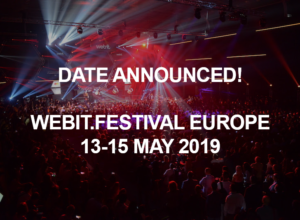
Date announced! Webit.Festival Europe 2019 will be on 13-15 May! Save...
SAVE THE DATE
for Europe's innovation, tech & digital policy event - WEBIT.FESTIVAL | 13-15 May, 2019
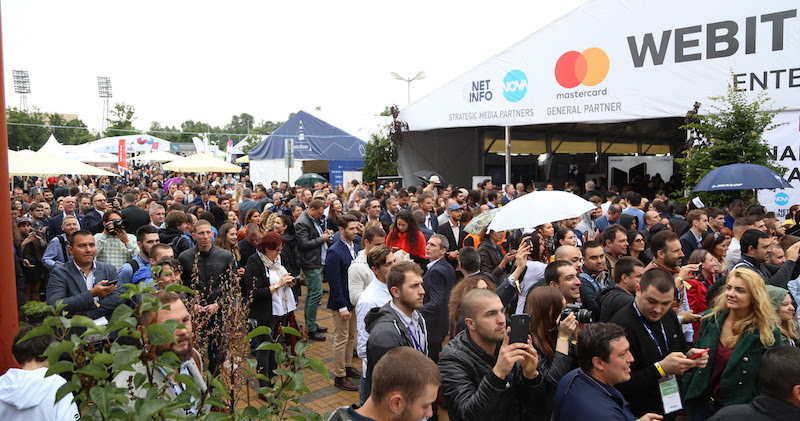
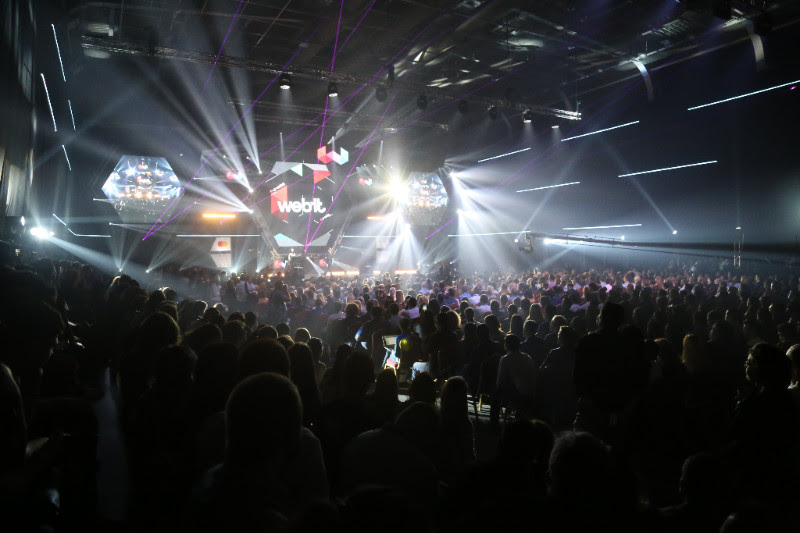
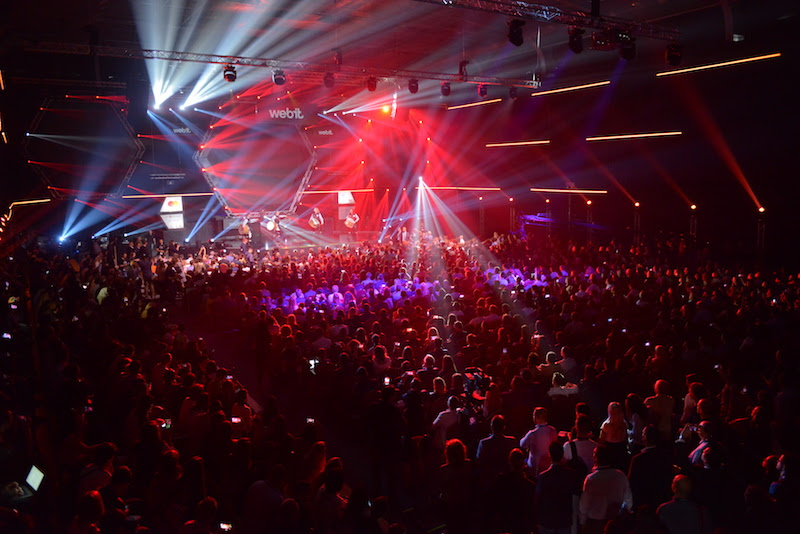
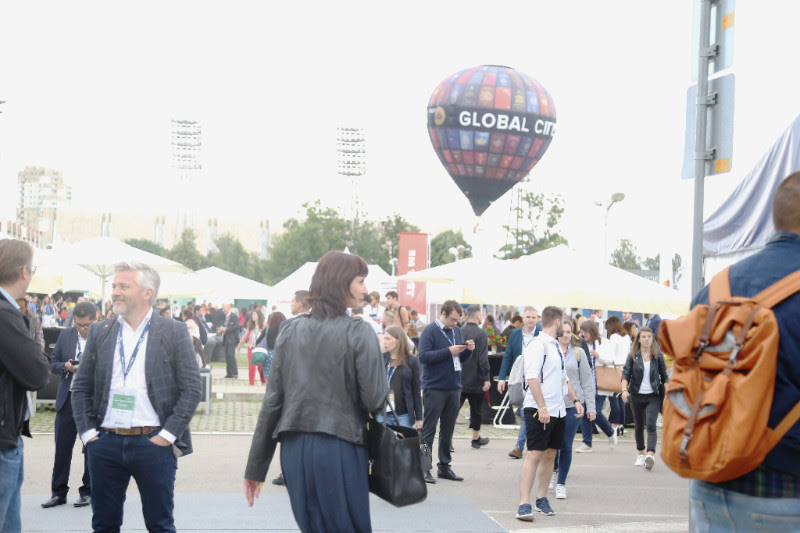
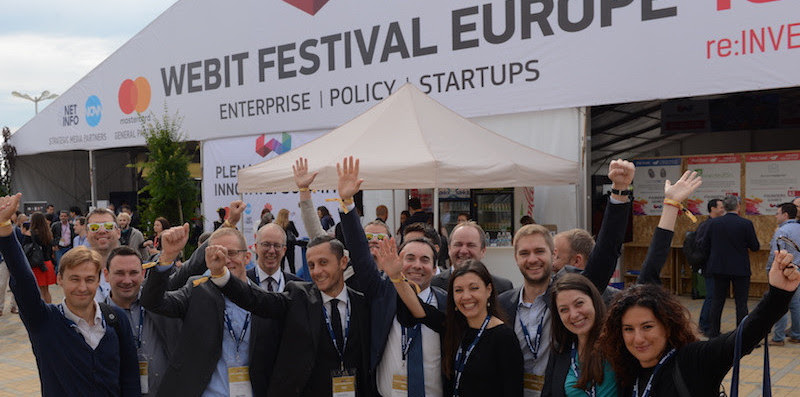
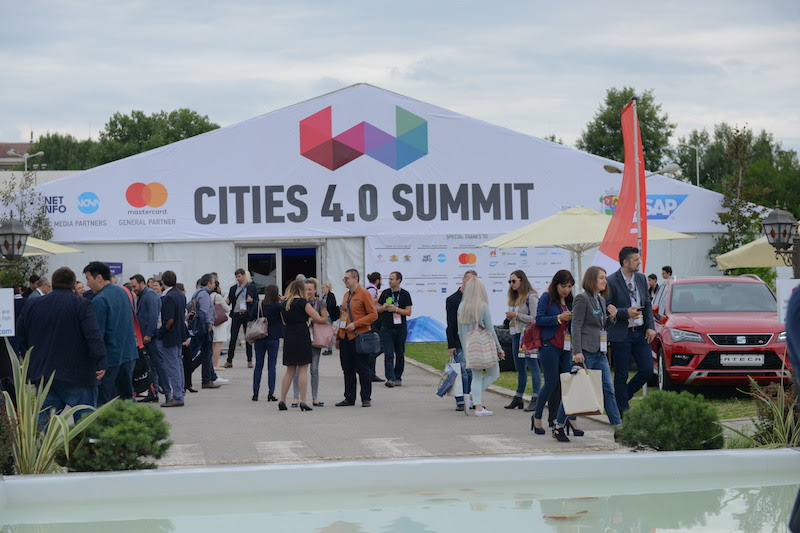
10'000 global leaders from 111 countries visited the Webit City in 2018!
We look forward to welcome many more
- Enterprise Executives - Startups - Investors - Gov & Policy Makers - Academia - Students in 2019!Check coverage by global and local media including:
Entrepreneur.com Forbes.com Al Jazeera Xinghua NovaTV bTV 24 hours TheMayor.eu ... and hundreds more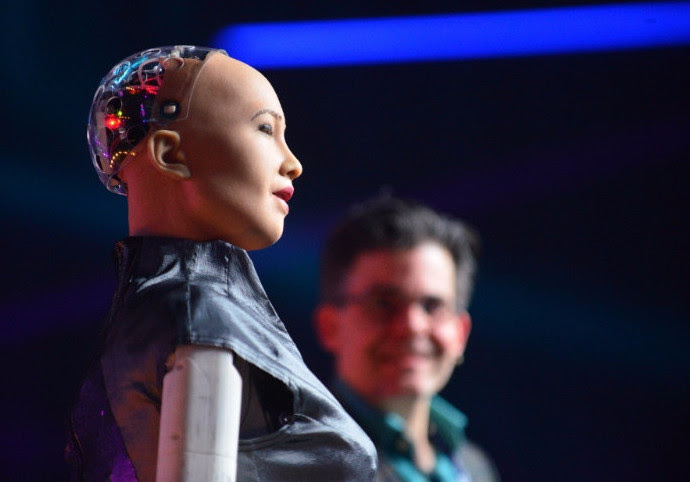
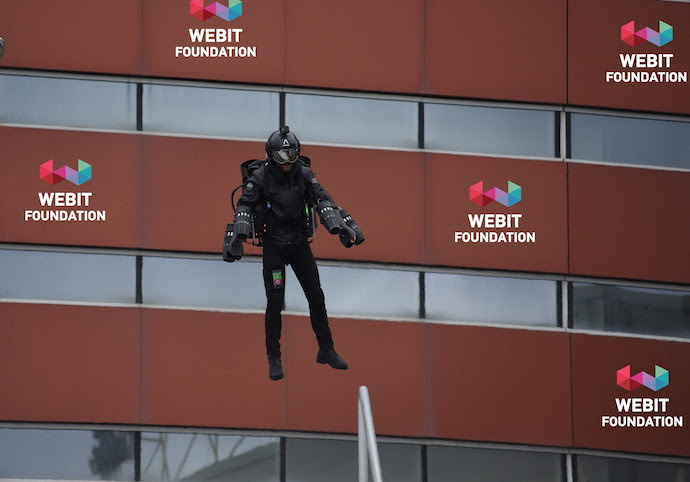

Book your 2019 Super Early Bird Ticket now!
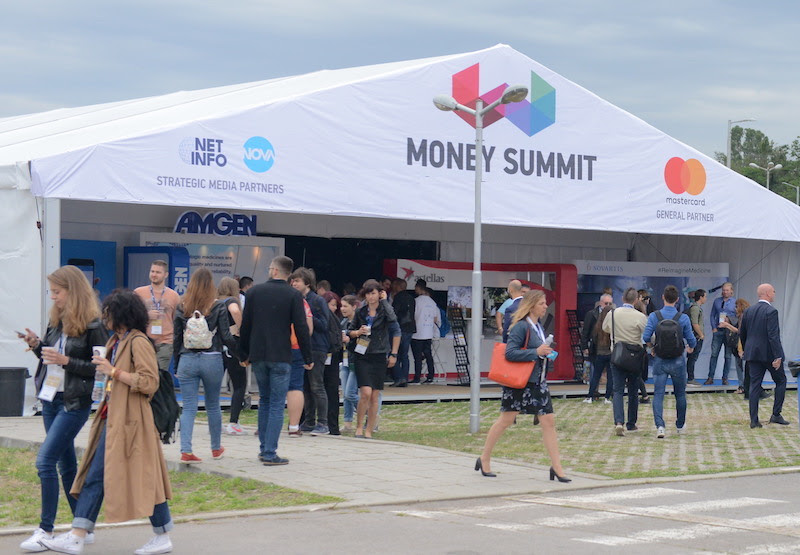
Join the 11th edition of Webit.Festival on 13-15 May, 2019.
Do you want to host a Webit event in your city? We are in open tender procedure for the Global Webit Event Series city hosts for 2020-2022. Contact us at partners@webitcongress.com and we shall send you our RFP.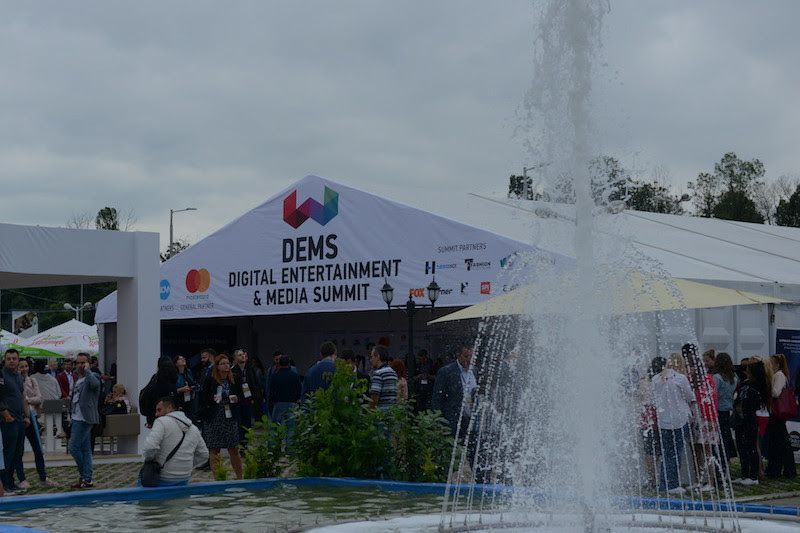
Education and digital skills – On the mission to inspire
It all starts with education - every profession, every living. Value it.
One of the major topics for the past couple of years is education, due to increase in dialogue at both political and enterprise level regarding the huge hole in educating youngsters using the instruments of the future. While it took 10 years for the online shopping to become the norm, every other day a new norm is born. This and many more examples determine the idea that now is the time to take action. The topic of education was discussed at both the Opening of Webit.Festival Europe 2018 and the Digital Entertainment and Media Summit with distinguished professionals in their respective fields. Having been teaching for 20 years Sharan Burrow, now the Secretary General of the International Trade Union Confederation shares thatFor a long time the business community had a short-term thinking. Jim Green, the VP Government affairs gives an example that many executives were thinking “Who can I hire right now” But the trend is now different and looking towards the future so what Mark Benioff, being the CEO of Salesforce, took on is a one-one-one model - 1% of the equity, 1% of the product and 1% of the employee time goes into volunteerism."...education is a lifelong venture. You have to start with early childhood education and it's probably not withstanding the deficit in investment across all spheres of education and skills. It's the one that has been left out. It's often where inequality starts."
It’s not only companies, however, that invest in future education, it’s organizations like Breakthrough Prize Foundation which tries to make science and mathematics cool again."Technology is part of the solution, it can help, teachers and students, but we shouldn’t kid ourselves that technology is the only answer."
Education is about inspiration and personal example. Kids don’t just learn in front of the computer today, says Esther Wojcicki, they need more interaction. One of the strongest points of the discussion was toned by Jim Green who saw technology as irrelevant with the shortage of teachers, which is a worldwide problem."How come everyone in here can name a World Cup player, but have a lot of trouble naming an alive top scientist?"
One of the newest initiatives of Breakthrough is Junior Challenge where kids from 13 and 18 years old may participate by sending a 3-minute video of their innovation to win the prize of $250,000 post-secondary scholarship; $50,000 for the teacher and $100,000 for the Breakthrough Science Lab + a trip for the winner and their parents to receive the award personally. The challenge is international and we strongly encourage you to take action. You can see the details here."The teachers must be phenomenally passionate of what they do, because they cannot make a living out of teaching."
Missed the 2018 edition of Webit.Festival Europe? Don’t miss the 2019! Get your super early bird 2in1 tickets – 2 for the price of 1 here!
The New Space Revolution – Rick Tumlinson at Webit.Festival Europe 2018
This is how one of the coolest and most prominent people in the space industry started his speech @Webit.Festival Europe 2018. His name is Rick Tumlinson and what he does is more than fascinating - mining into space to harvest resources for people into space can be using. Note, they are not bringing anything to the Earth. His dream is to democratize space investment. Rick is Co-founder and Chair of the Board of Star Century Partners . He is the person who makes flying into space so easy, as if it’s a mobile platform.“I always wanted to be a rock star!”
We’ve been in space for over 2 decades.
Imagine it’s the year 1550 when so many things seem impossible - like traveling with more than 50 m/h or landing on the Moon. But the landing did happen, despite what critics say, and it was astonishing. One major thing happened that night Rick says - those kids watching the TV were watching the future but in the same time they were seeing terrible things - Vietnam war, Cold war, nuclear weapons…It all started with a rocket in the 90s. It failed. But it started.
Elon and Jeff didn’t just come one day and said “I’m gonna build a rocket that goes in space”. The route is difficult and there are many more people behind a project. Rick was one of them.The 3 keys to a frontier are:
- You can’t turn a place into a frontier unless you can get there cheaply and easily and reliably
- You have to be able to use the resources in space - wherever you go, you have to be able to stand on your own based on the resources available
- Governments that support the idea of an open human frontier in space
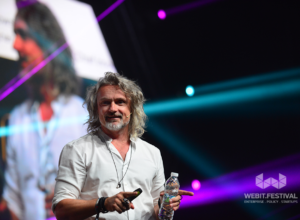
Martin Wezowski talks about “WTF – What’s the future” @Webit.Festival 2018
"The future is very important, because we will kind of spend the rest of our lives there. So we better make it really good. :)"
Martin Wezowski is the Chief Designer & Futurist at SAP. He joined Webit to put some perspective on “what is work and what is human in a superhuman future”.Martin, being a fan of the Beatles, started with playing a tune that resembles the style of the iconic band. But later he revealed that the song was created by AI that mimics the Beatles.
"It listens to everything that The Beatles have ever done and makes new songs. It does it so successfully that it has over 2M views on Youtube. That should really raise deep and profound questions."
The main question is WTF - What’s the future?
One example of that is the healthcare."It takes 7-10 years to make a doctor, which gives us a severe shortage of doctors."
With the soon-future-AI, medical help will be in infinite amount everywhere, all the time for everyone. That should also change our minds about what is human work. Nowadays AI can diagnose heart diseases or lung diseases more accurately than humans. Funny enough, humans and AI combined are almost 100% correct. In the 90s we decoded the human genome. It took billions of dollars. Now there is a DNA sequencer for 1000$. What does this mean for research? What does it mean for animal testing?The NOW has never been so temporary as it is today.
Maybe we should start imagining the futures that we want and start creating them, rather than react to what we where we are today because thus we are too late. That might be a little scary because we see jobs disappearing. A hundred years ago almost everybody worked at farming, fishing, forestry. Now it's only about 2%. What did they do? What would they think if you'd tell them: "Most of you will not be in agriculture." What would hey imagine that they will do, accounting? Web development? We are in the same situation today. And it doesn't matter because we will imagine new jobs as they emerge. We can't plan for it. And the real question is this:What to teach kids to become relevant in 30 years from now?
How can we adapt to the change? What new values do we need? The stability of planning is a little bit of fake. The opposite to stability is not instability, it's emergence. It's risk, it's rock'n'roll. To transform, to challenge and take risks. Innovation is sort of rock'n'roll in business and we need more of that.One thing we rely on is the thinking of the 3 horizons.
- Continuous innovation - Ready to consume: Traditional KPIs (key performance indicators) of predictable outcomes and repeatable results and scalable efficiency.
- Adjacent innovation - Ready to Co-innovate: Forecasting your intelligence and resources to the near future, the next, the adjacent innovation where you co-innovate with your partners and/or customers.
- Transformative Innovation - Ready to Inspire: Thinking away from what you can do today and the tools you have. Your vision and thought leadership leads to ideas that you must articulate very clearly so you can have a decent discussion on executive and board level about these ideas.
Help the world run better and improve people's lives.
These two things go to the two sides of the spectrum with 4 dimensions:- The self running company
- Self organizing Business Ecosystems
- Augmented humans
- Purpose Led New Market & Business Models
“Everything from the beginning is an open end and it's up yo us to actually sit down and actually use this methods and look across all the 3 horizons, articulate futures that are desirable where we can play a significant positive role. That's our purpose. And if we do that I actually think we can design futures that we all want to live in. And we should remember to have some fun as well. :)”
Missed the 2018 edition of Webit.Festival Europe? Don’t miss the 2019! Get your super early bird 2in1 tickets – 2 for the price of 1 here!
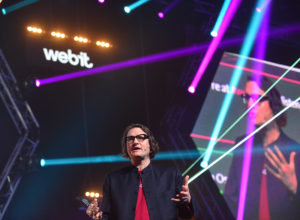
Rob Wolcott on “Innovating your life” at Webit.Festival Europe 2018
The human experience will change more in the next century than it has in the last ten millennia: Where is the discussion to accompany that change?
Mr. Wolcott returned to Sofia once again for the 10th anniversary edition of the Festival and wowed the audience with his keynote with special topic "Innovating your life". He started with a quote from the one and only Steve Jobs:
If your aspiration is to be a leader, to make mark, to create a legacy in some way than it's going to require doing something different. If you don't you're doing the same thing that everybody else already did. And how would that distinguish you? In Robert's opinion over the next 100 years the human experience will change more than it has in the past 10 000! We will be able to solve challenges that have been intractable for centuries but we will also create threads, some of which humanity has never seen before. But unfortunately our public dialog just isn't up to the task. On the one hand we hear ''The robots will steal our jobs and then kill us all in some kind of impending robot apocalypse". But on the other some people are espousing a coming technology infused nirvana. Clearly the truth is somewhere in the vast between and it's our responsibility to explore it for ourselves. The professor broke down the immense and complicated process of "innovating our life" in 5 simple steps:
"Innovation distinguishes the leaders from the followers."
1. Always keep the mission in mind. What are you doing and how are you doing it?
When we stay focused on our dreams and give them new names like GOALS of MISSIONS they automatically become more realistic and more achievable.2. Ask better questions. We only see the things which we are looking for.
We start asking questions, we start looking for new things, for new clues. Clues that will help us get to the next step, but some of them will inevitably mislead us and we will make mistakes. Then comes the next lesson.3. Seek wisdom in mistakes. The very first reaction when something goes wrong is that we are trying to hide it.
The problem is when something doesn't go the way you expect it perhaps there's a problem with the way you see the world. Back in the late 19th century two researchers named Michelson and Morley did one of the most famous failed experiment in history. They were attempting to prove the existence of the "luminiferous aether". It was the dominant hypothesis of physics in the 19th century to explain the following phenomenon.Sound cannot travel through a vacuum because there's nothing for sound to travel through. Light however, can travel through a vacuum thus there must be something in the vacuum we cannot see.
The scientists did their experiment and when it failed, they couldn't figure out why. They changed the method, tried again, then other scientists tried again but it kept failing and nobody could figure out why. Then came Einstein who said: "Perhaps there's no problem with the experiment, perhaps there's a problem with the way we see the Universe." So when something doesn't go the way you expect it, you should step back and do an after action review: Why that did not work? What can we learn from it?
4. Create option paths. Yes, options come at a cost, but create some.
"As we each create our own paths, we together create the future." - says Mr. Wolcott - and he also adds the question to the public - "On which paths are you … and why?"5. Above all seek meaning. Human beings grow through challenges.
The question for each of us is, as lifespans increase up to even beyond a 100 years, as we encounter the remainder of 21st century, we will all be faced with the question: how should we use this time?"Missed the 2018 edition of Webit.Festival Europe? Don’t miss the 2019! Get your super early bird 2in1 tickets – 2 for the price of 1 here!
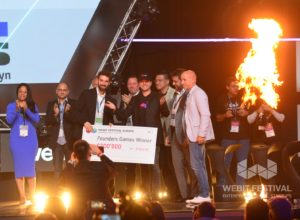
Bioo won the big prize of € 200,000 in this year’s...
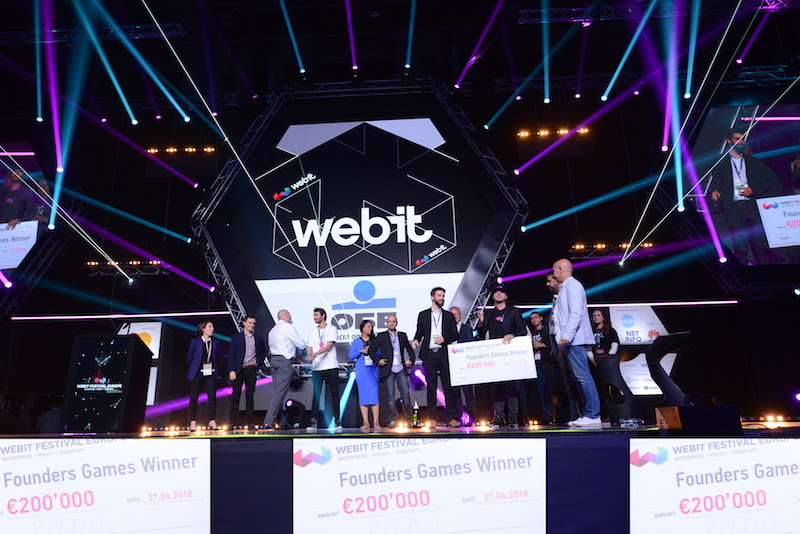
The Finalists
The top five companies "fought" for the big prize in the competition on stage at Arena Armeec Training Hall, where during the two days of the festival part of the conferences, the Plenary Session and Webit.Awards Ceremony were held. The finalists in the race were DataSine - which offers a client segmentation tool combining big data and psychometrics to help financial institutions understand their clients; ISCLEANAIR - a Clean-Tech innovative company that rethinks and redesigns the space we live, work and breathe in for a healthier, safer, sustainable future; Bioo - a clean-tech company that brings nature and technology together – as they provide technology which allows the production of electricity from plant’s photosynthesis in a sustainable way for daily use gadgets and Online.io – a platform that aims at revolutionizing the browsing experience by making it faster, ad free, more reliable, secure and non-trackable, thus marking a groundbreaking change of the Internet.”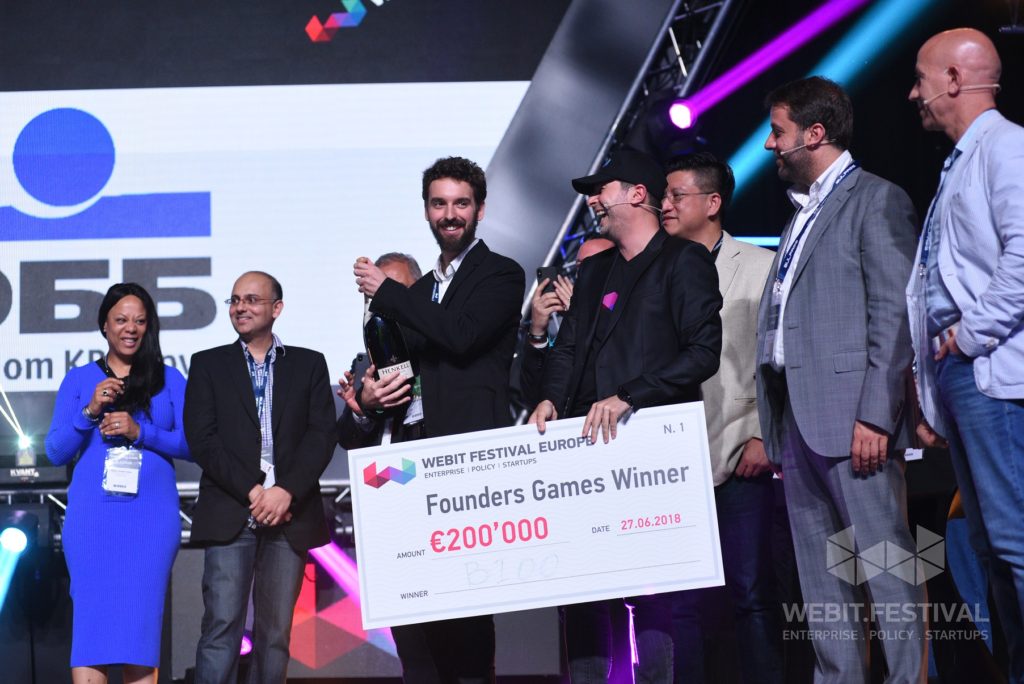 The final decision for the winner was taken by the investors providing the seed investment - Vassil Terziev - Co-founder of Telerik (260 M exit); Ivaylo Penchev - Founder of Walltopia - the largest climbing wall manufacturer in the world; Stefan Gugushev - Managing Partner and founder of Gugushev & Partners Law Office; Peter Mitev - CEO and co-founder of Chaos Group, Academy Award Oscar Trophy Winner; Plamen Russev - Investor, Executive Chairman - Webit.Foundation
They all committed 40000 EUR each to the 200'000 EUR award.
Their assessments were based on five key factors - team capacity, project development capability, business approach, marketing approach and uniqueness of the idea, as well as the answers to a series of questions asked on Webit's stage.
Missed the 2018 edition of Webit.Festival Europe? Don’t miss the 2019! Get your super early bird 2in1 tickets - 2 for the price of 1 here!
The final decision for the winner was taken by the investors providing the seed investment - Vassil Terziev - Co-founder of Telerik (260 M exit); Ivaylo Penchev - Founder of Walltopia - the largest climbing wall manufacturer in the world; Stefan Gugushev - Managing Partner and founder of Gugushev & Partners Law Office; Peter Mitev - CEO and co-founder of Chaos Group, Academy Award Oscar Trophy Winner; Plamen Russev - Investor, Executive Chairman - Webit.Foundation
They all committed 40000 EUR each to the 200'000 EUR award.
Their assessments were based on five key factors - team capacity, project development capability, business approach, marketing approach and uniqueness of the idea, as well as the answers to a series of questions asked on Webit's stage.
Missed the 2018 edition of Webit.Festival Europe? Don’t miss the 2019! Get your super early bird 2in1 tickets - 2 for the price of 1 here! 
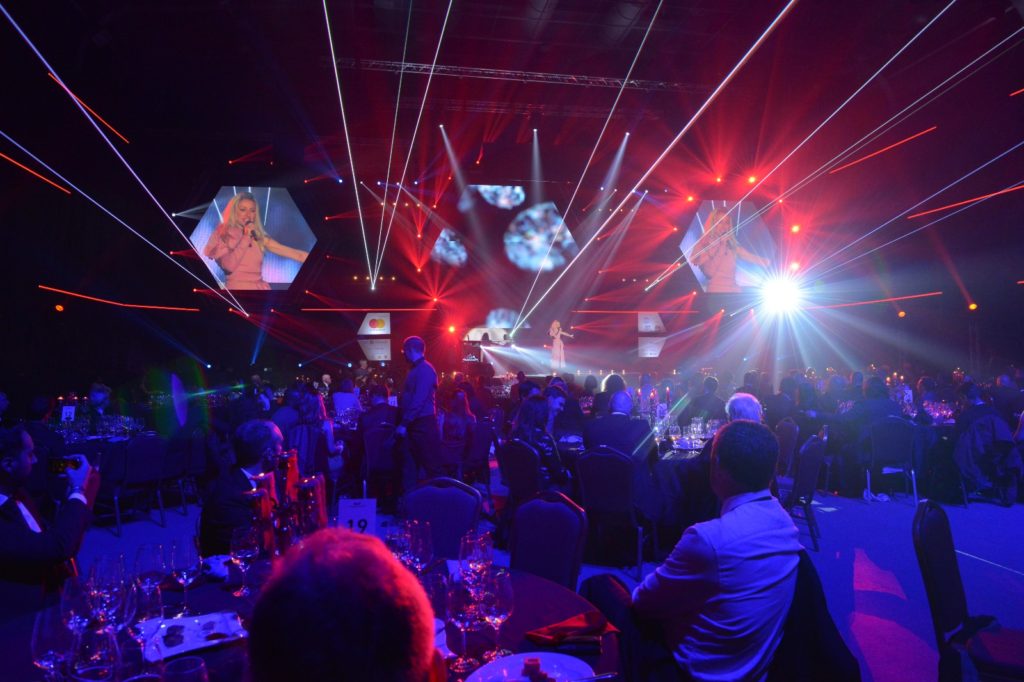
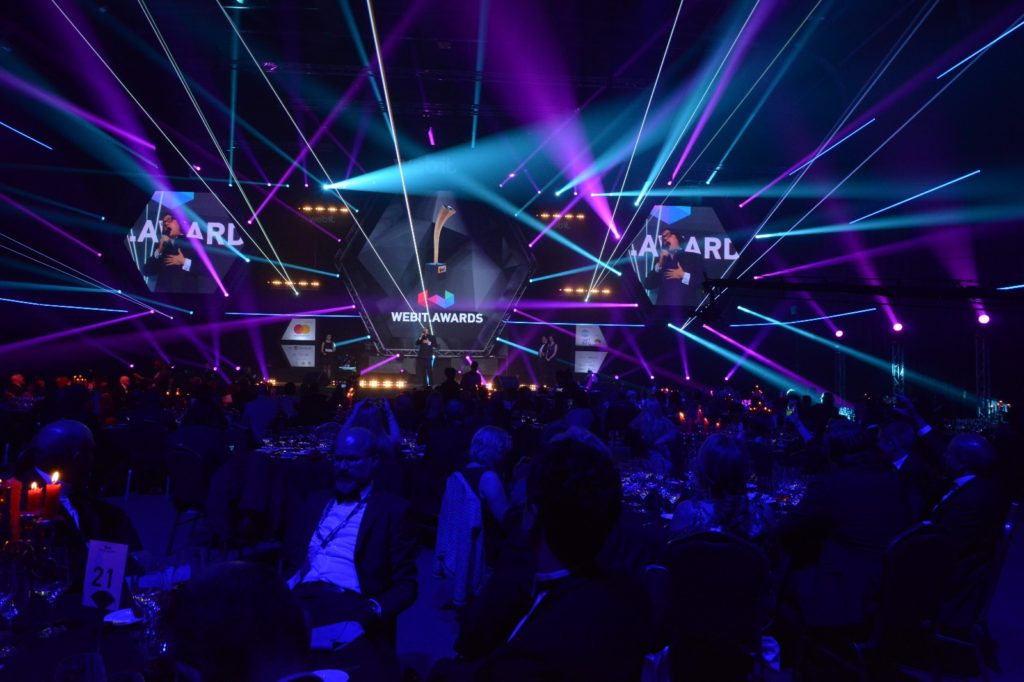
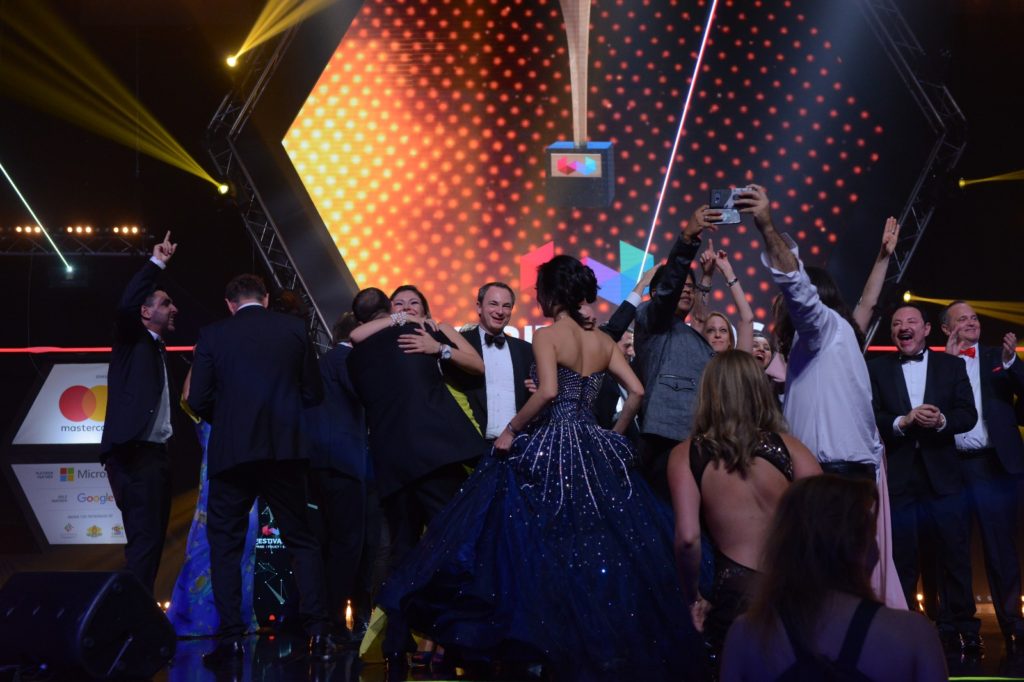
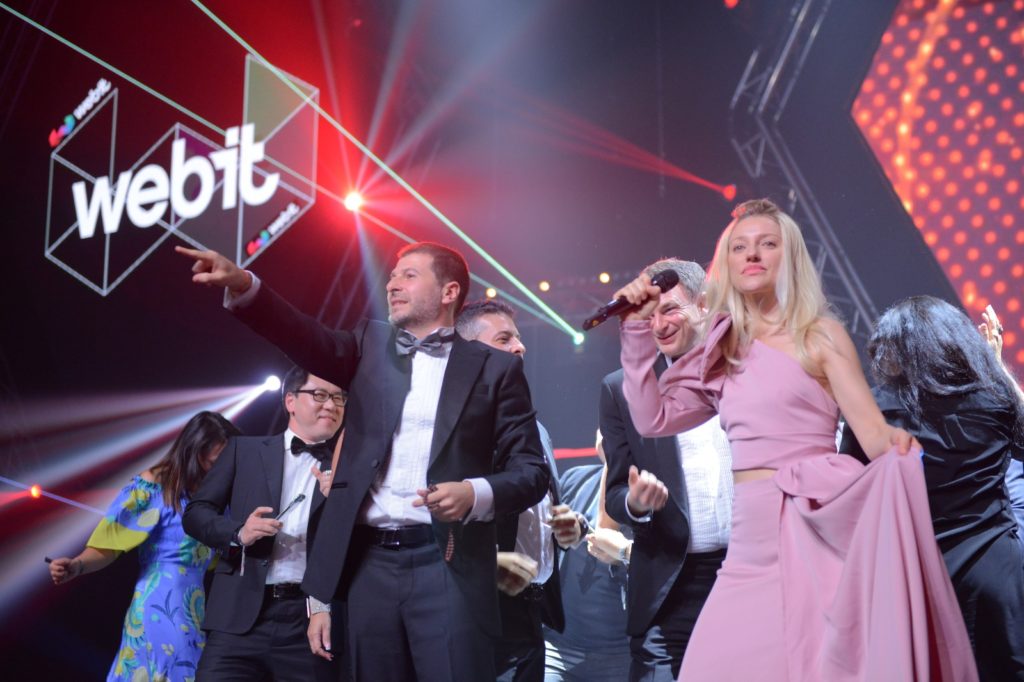
Webit presented its annual awards during a Glamorous Gala Dinner
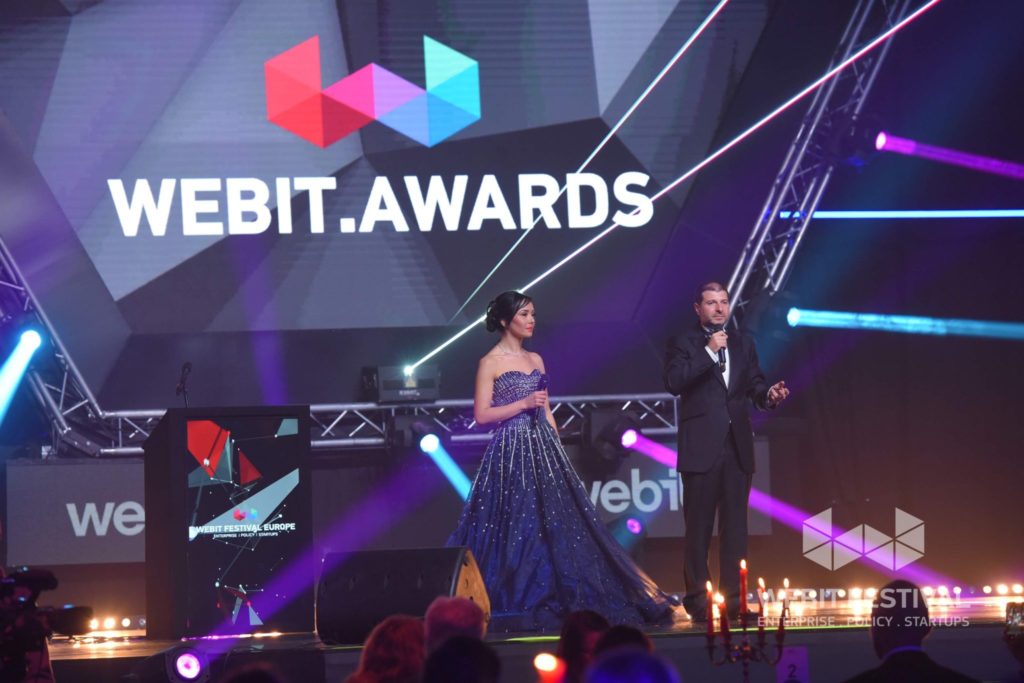
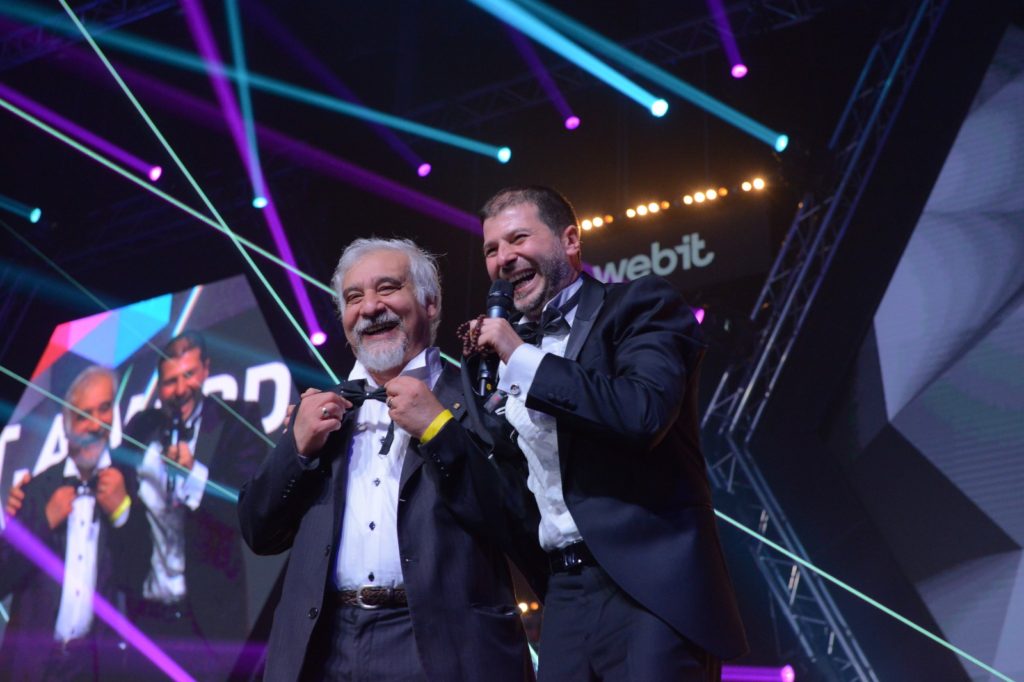
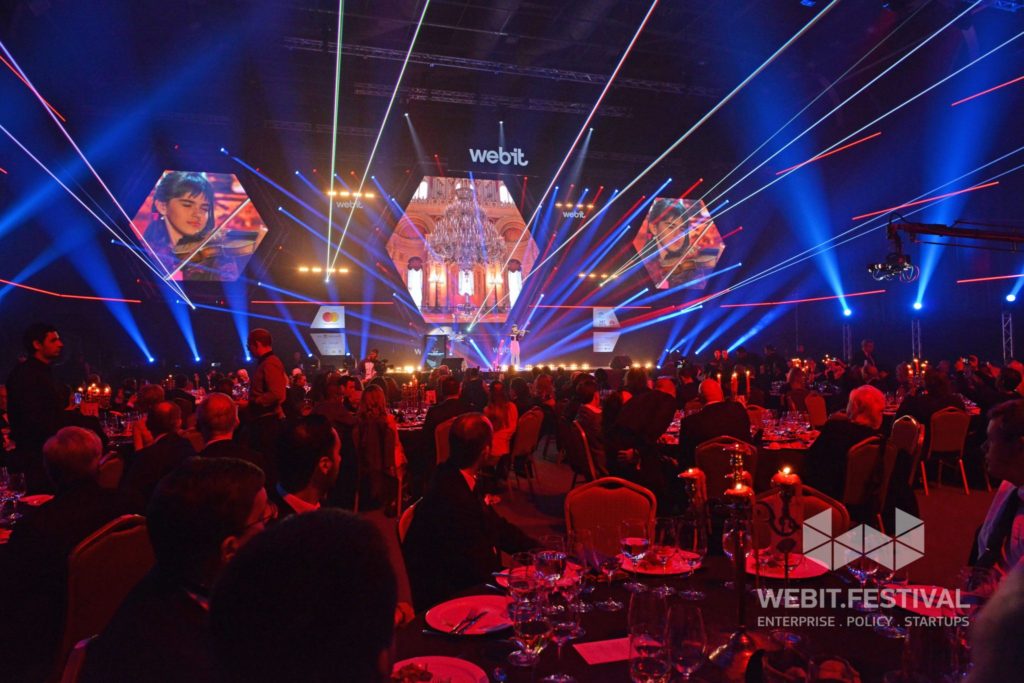
The awards were presented in 13 categories. The winners are:
See also: Official Winners page on our site Best use of Digital Innovations in Health Award Professor Shafi Ahmed made world headline news in 2014 by streaming a live operation using Google Glass to 14,000 students and trainees across 132 countries. He performed the world’s first virtual reality operation which was watched by 55,000 people in 140 countries, and reached 4.5 million on Twitter.and reached 4.5 million on Twitter. He is a Consultant Surgeon and Co-founder of Virtual Medics & Medical Realities. Security and Anti-Fraud Innovation Award Michele Mosca is founder of the Institute for Quantum Computing and a Mathematics Professor at the University of Waterloo. His early work in cryptography led him to study quantum algorithms at Oxford, after which he returned to Canada to start several research, training and outreach initiatives in cryptography and quantum computing, as well as two companies. He has made major contributions to the phase estimation approach to quantum algorithms, including the hidden subgroup problems, and quantum searching and counting. In the area of quantum security, he helped define the notion of private quantum channels and develop optimal methods for encrypting quantum information using classical keys.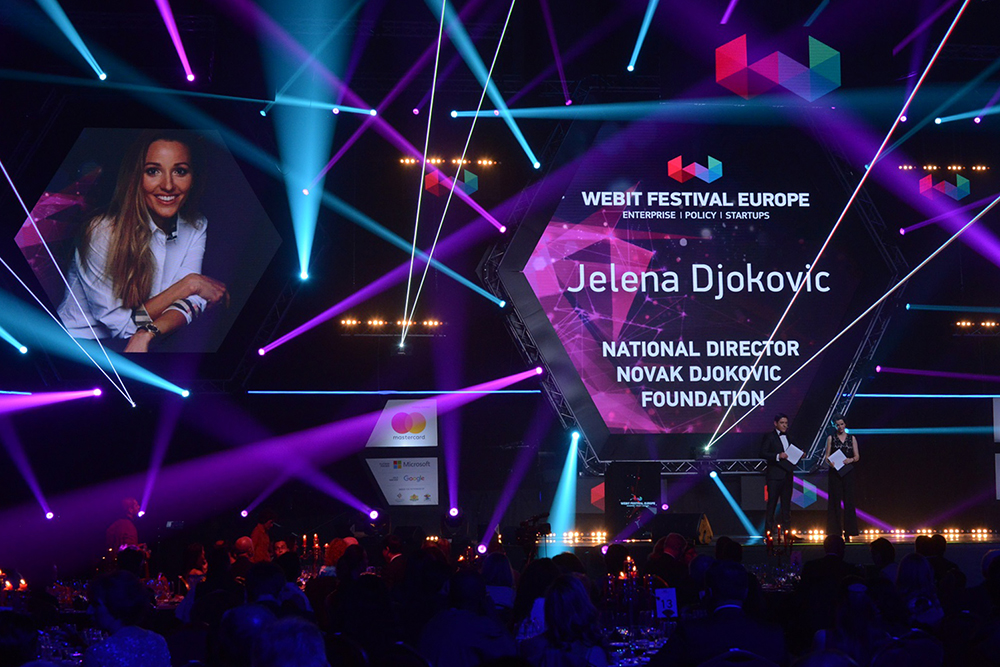 Best Innovation for Education Award
Jelena Djokovic is the National Director of the Novak Djokovic Foundation, whose mission is to change the world and status quo by investing in children, educators, parents, and youth through education. She believes in the lifelong learning concept and the strength that lies in empowering children, youth, and adults to be proactive, agile and positive about themselves which is what fuels her passion to do more. Under her guidance the organization has built 37 schools, supported 683 families, trained 1322 teachers and helped 20708 children.
Digital Entertainment & Media Special Award
ESL, formerly known as Electronic Sports League, is an eSports organizer and production company that produced video game competitions worldwide. ESL is the world’s largest eSports company. It has eleven offices worldwide and multiple international TV studios globally. ESL is also the largest eSports company to broadcast on Twich.tv.
Best Implementation of AI
Patrick van der Smagt is well-versed in the field of robotics, machine learning and neural networks. He is focussed on probabilistic deep learning for time series modelling, as well as deep learning for robotics. He provides Volkswagen Group with innovative tech solutions on common base as is the Director of the AI Research Lab.
Best Use of Technology for Accessibility & Inclusion
Nigel Ackland is an ordinary man with an extraordinary arm. He is the first person to trial RSL Steeper's groundbreaking, myoelectric prosthetic hand, the bebionic3. Before he could not imagine his future, now he is introducing the future to the others. Ackland is on a mission to disrupt how people think about prostheses and to challenge perceptions of people who wear prostheses.
Best Innovation for Education Award
Jelena Djokovic is the National Director of the Novak Djokovic Foundation, whose mission is to change the world and status quo by investing in children, educators, parents, and youth through education. She believes in the lifelong learning concept and the strength that lies in empowering children, youth, and adults to be proactive, agile and positive about themselves which is what fuels her passion to do more. Under her guidance the organization has built 37 schools, supported 683 families, trained 1322 teachers and helped 20708 children.
Digital Entertainment & Media Special Award
ESL, formerly known as Electronic Sports League, is an eSports organizer and production company that produced video game competitions worldwide. ESL is the world’s largest eSports company. It has eleven offices worldwide and multiple international TV studios globally. ESL is also the largest eSports company to broadcast on Twich.tv.
Best Implementation of AI
Patrick van der Smagt is well-versed in the field of robotics, machine learning and neural networks. He is focussed on probabilistic deep learning for time series modelling, as well as deep learning for robotics. He provides Volkswagen Group with innovative tech solutions on common base as is the Director of the AI Research Lab.
Best Use of Technology for Accessibility & Inclusion
Nigel Ackland is an ordinary man with an extraordinary arm. He is the first person to trial RSL Steeper's groundbreaking, myoelectric prosthetic hand, the bebionic3. Before he could not imagine his future, now he is introducing the future to the others. Ackland is on a mission to disrupt how people think about prostheses and to challenge perceptions of people who wear prostheses.
 Best Interactive Municipality
In becoming smarter, Lisbon’s main objectives include attracting more people to the city by promoting energy efficient housing, e-mobility, smart living and smart ageing solutions. All of the city's activities aim to contribute to a better quality of life in the city, through greater energy efficiency, mobility and improved social cohesion, along with localised regeneration efforts and citizen participation drives.
Special Smart Mobility Award
Yordanka Fandakova is the first woman to hold the position of Mayor of Sofia. She is known for initiating many municipal projects among which are the programs “Culture” and “Europe”, in which to date in more than 700 projects over 6 million Bulgarian Lev (3 million Euros) have been invested. In addition she implemented reforms covering municipal theaters and participated in the development of the long-term strategy for cultural development “Sofia-creative capital” (2013-2023). Sofia’s bid to become European Capital of Culture in 2019 was initiated by Fandakova as well.
Innovation in Payments
The innovation lies in the core of Mastercard vision. Ever since the beginning, they have been reinventing the definition of Fintech connecting and linking commerce with people and companies. Their projects never cease to amaze and intrigue their clients. As an example we could simply look at fitbit pay and garmin pay, allowing clients to pay using their electronic watches. A technology, that only 2-3 years ago would sounded futuristic. Mastercard find always modern challenges and create solutions.
Women in Tech - Digital Industry
Diana Stefanova possesses a well-structured set of skills and abilities, that have taken her to the top as she is now the Managing Director of VMware for EMEA R&D. She fuses her skills and abilities to bring out a significant industry experience with a deep focus in high-tech, from start-ups all the way to well-established corporations, like VMware, both in the Silicon Valley, USA and in EMEA. She is a true inspiration for women across the globe and a good example of the great benefit we take from gender equality.
Best Interactive Municipality
In becoming smarter, Lisbon’s main objectives include attracting more people to the city by promoting energy efficient housing, e-mobility, smart living and smart ageing solutions. All of the city's activities aim to contribute to a better quality of life in the city, through greater energy efficiency, mobility and improved social cohesion, along with localised regeneration efforts and citizen participation drives.
Special Smart Mobility Award
Yordanka Fandakova is the first woman to hold the position of Mayor of Sofia. She is known for initiating many municipal projects among which are the programs “Culture” and “Europe”, in which to date in more than 700 projects over 6 million Bulgarian Lev (3 million Euros) have been invested. In addition she implemented reforms covering municipal theaters and participated in the development of the long-term strategy for cultural development “Sofia-creative capital” (2013-2023). Sofia’s bid to become European Capital of Culture in 2019 was initiated by Fandakova as well.
Innovation in Payments
The innovation lies in the core of Mastercard vision. Ever since the beginning, they have been reinventing the definition of Fintech connecting and linking commerce with people and companies. Their projects never cease to amaze and intrigue their clients. As an example we could simply look at fitbit pay and garmin pay, allowing clients to pay using their electronic watches. A technology, that only 2-3 years ago would sounded futuristic. Mastercard find always modern challenges and create solutions.
Women in Tech - Digital Industry
Diana Stefanova possesses a well-structured set of skills and abilities, that have taken her to the top as she is now the Managing Director of VMware for EMEA R&D. She fuses her skills and abilities to bring out a significant industry experience with a deep focus in high-tech, from start-ups all the way to well-established corporations, like VMware, both in the Silicon Valley, USA and in EMEA. She is a true inspiration for women across the globe and a good example of the great benefit we take from gender equality.
 Special Recognition Award for empowering and giving voice to women
The Award goes to Mr Shah Rukh Khan - the King of Bollywood for his inspiring work through the Meer Foundation and his advocacy and efforts in standing up for women’s and children’s rights and equality in India. His work is a great example for other leaders, celebrities and society how to use the impact for creating a better future, how to support female victims of abuse and attacks, as well as children who are battling one of world’s worst illnesses.
Long Term Partner
The award for long term partners was given to Nova and Netinfo - two companies that help with the media broadcasting of Webit.Festival for years and take the biggest event for digital economy and innovation to the Webit community.
Special Award - Outstanding Contribution to the Digital Industry
With a vast experience not only in politics but also in numerous initiatives related to society, she is the first Commissioner in the European Parliament responsible for the Digital Economy and Society. Mrs. Mariya Gabriel is the Patron of the EU Digital and Innovation Week and the initiator of "No woman - no panel".
Special Recognition Award for empowering and giving voice to women
The Award goes to Mr Shah Rukh Khan - the King of Bollywood for his inspiring work through the Meer Foundation and his advocacy and efforts in standing up for women’s and children’s rights and equality in India. His work is a great example for other leaders, celebrities and society how to use the impact for creating a better future, how to support female victims of abuse and attacks, as well as children who are battling one of world’s worst illnesses.
Long Term Partner
The award for long term partners was given to Nova and Netinfo - two companies that help with the media broadcasting of Webit.Festival for years and take the biggest event for digital economy and innovation to the Webit community.
Special Award - Outstanding Contribution to the Digital Industry
With a vast experience not only in politics but also in numerous initiatives related to society, she is the first Commissioner in the European Parliament responsible for the Digital Economy and Society. Mrs. Mariya Gabriel is the Patron of the EU Digital and Innovation Week and the initiator of "No woman - no panel".
 Missed the 2018 edition of Webit.Festival Europe? Don’t miss the 2019! Get your super early bird 2in1 tickets - 2 for the price of 1 here!